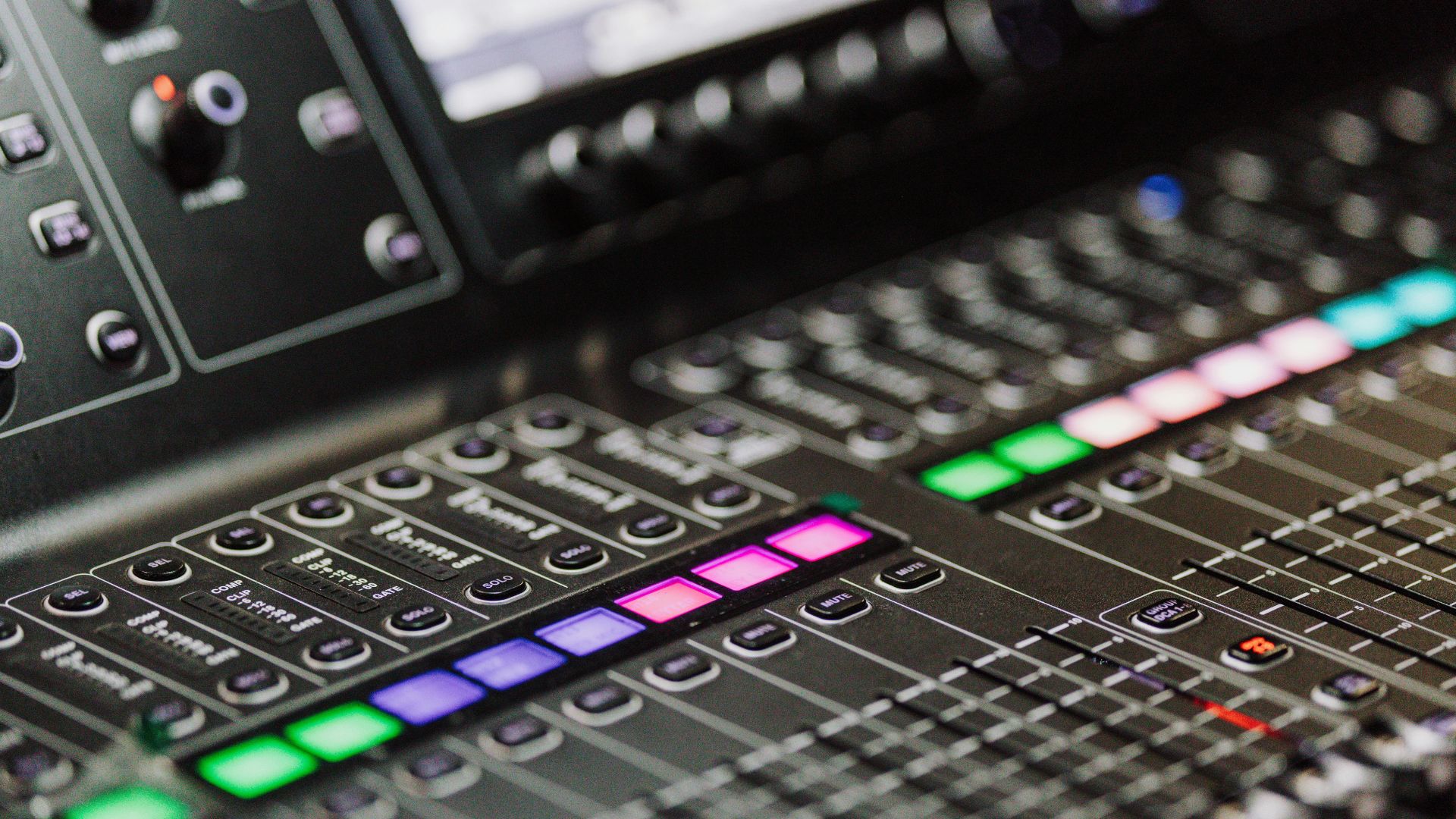

Gain staging is one of the most fundamental yet often overlooked concepts in music production and mixing. Many beginners focus on plugins, effects, and loudness while ignoring proper level management—only to end up with distorted, muddy, or unbalanced mixes.
In this article, we’ll explain what gain staging is, why it matters, and how to apply it correctly in your productions.
What Is Gain Staging?
Gain staging is the process of managing signal levels at every stage of the audio chain—from the source sound to the final output.
This includes:
-
Audio clips and MIDI instruments
-
Plugin input and output levels
-
Channel faders
-
Buses and groups
-
The master channel
The goal is to maintain clean, consistent levels without clipping or unnecessary noise.
Why Gain Staging Is So Important
Proper gain staging ensures that:
-
Your mix stays clean and distortion-free
-
Plugins work as intended
-
You have enough headroom
-
Your master doesn’t clip
-
Mixing and mastering become easier
Poor gain staging, on the other hand, leads to problems that are difficult to fix later.
Digital Clipping and Headroom
In digital audio, 0 dBFS is the absolute maximum. Any signal above this level will clip, causing harsh digital distortion.
That’s why leaving headroom is essential:
-
Aim for peaks around -6 dBFS on the master
-
Individual tracks often peak between -18 and -10 dBFS
Lower levels do not mean lower quality—modern digital systems have more than enough dynamic range.
Gain Staging vs. Volume Balancing
It’s important to understand the difference:
-
Gain staging controls signal levels before processing
-
Volume balancing sets how loud elements are relative to each other
Gain staging ensures your signal is healthy; balancing makes the mix musical.
How Gain Staging Affects Plugins
Many plugins—especially analog-modeled ones—are designed to work best at certain input levels (often around -18 dBFS).
If the signal is too hot:
-
Compressors overreact
-
Saturation becomes harsh
-
EQ boosts exaggerate problems
Correct gain staging allows plugins to behave more predictably and musically.
A Simple Gain Staging Workflow
-
Start with clean source levels
-
Adjust clip gain or instrument output
-
Check plugin input and output levels
-
Avoid red meters at every stage
-
Leave headroom on buses and master
-
Use faders for balance, not correction
This approach keeps your mix controlled from start to finish.
Gain Staging and Mixing Clarity
When levels are managed properly:
-
EQ decisions become clearer
-
Compression sounds more natural
-
Transients are preserved
-
The mix feels more open and dynamic
Good gain staging sets the foundation for every other mixing decision.
Common Gain Staging Mistakes
1. Recording or rendering tracks too hot
2. Using faders instead of clip gain
3. Ignoring plugin output levels
4. Mixing close to 0 dBFS
5. Trying to fix level issues in mastering
These mistakes compound quickly and reduce mix quality.
Gain Staging in Modern DAWs
Modern DAWs use 32-bit floating-point audio, which offers internal headroom—but this does not eliminate the need for gain staging.
Clipping may be avoided internally, but:
-
Plugins can still distort
-
The master output can still clip
-
Monitoring levels can mislead your ears
Good habits still matter.
Gain staging isn’t glamorous, but it’s essential. It’s the invisible framework that supports clean mixes, better plugin performance, and smoother mastering.
If you get gain staging right early, everything else in music production becomes easier.
Remember:
A great mix starts with proper levels.