When it comes to realistic piano virtual instruments, Steinberg’s The Grand 3 has long been considered a classic. Designed for composers, producers, and performers who need an authentic grand piano sound inside their DAW, this VSTi focuses on realism, dynamics, and expressive control rather than flashy extras.
In this article, we take a closer look at what The Grand 3 offers, how it sounds, and who it’s best suited for.
What Is Steinberg The Grand 3?
The Grand 3 is a virtual instrument (VSTi) developed by Steinberg, the creators of Cubase and Nuendo. It is a deeply sampled piano library that recreates multiple concert grand pianos with a strong emphasis on natural tone and playability.
Unlike many modern piano plugins that rely on hybrid modeling, The Grand 3 is primarily sample-based, using detailed recordings of real acoustic grand pianos.
Included Piano Models
The plugin includes five distinct piano instruments, each with its own character:
-
Yamaha C7 – bright, clear, and modern
-
Steinway D – warm, rich, and orchestral
-
Bösendorfer 290 – deep, powerful low end
-
Nordiska Upright – intimate and characterful
-
Electric Piano – a classic EP-style sound
This variety makes The Grand 3 suitable for many genres, from classical and jazz to film scoring and pop production.
Sound Quality and Realism
The strength of The Grand 3 lies in its dynamic response and natural decay. Velocity layers are well balanced, allowing soft passages and aggressive playing to feel expressive and musical.
Key sonic features include:
-
Detailed velocity sampling
-
Natural sustain and release behavior
-
Realistic pedal response
-
Smooth transitions across the keyboard
The result is a piano that feels organic and playable, especially when used with a weighted MIDI keyboard.
Interface and Controls
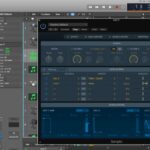
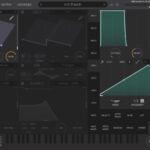
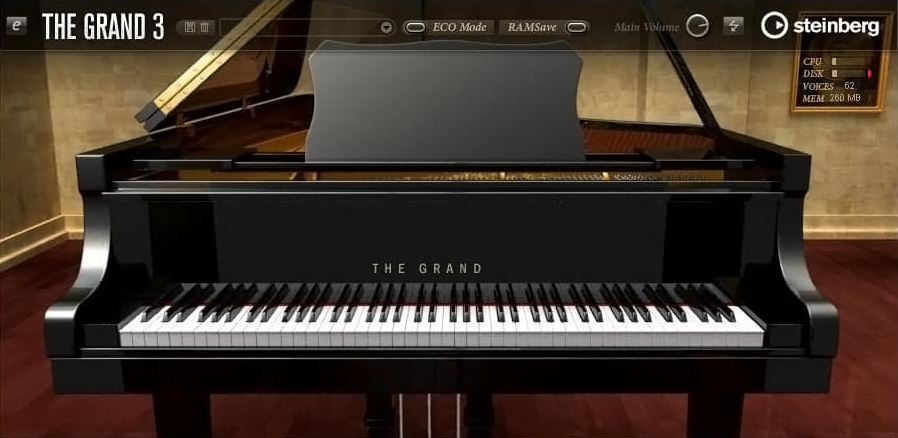
The interface of The Grand 3 is clean and functional, focusing on essential piano-related controls rather than complex sound design.
Main parameters include:
-
Microphone position and stereo width
-
Lid position
-
Pedal noise and key noise
-
EQ and basic tonal shaping
-
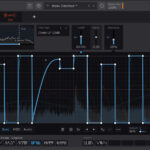
Velocity response curves
While the interface may look slightly dated compared to newer plugins, it remains intuitive and efficient.
Performance and System Requirements
Because The Grand 3 uses large sample libraries, it requires:
-
Sufficient disk space
-
A reasonably fast SSD (recommended)
-
Adequate RAM for smooth performance
Once properly set up, performance is stable, especially inside Cubase, where integration is seamless. It also works well in other DAWs that support VSTi plugins.
Best Use Cases
The Grand 3 works best in situations where realism and authenticity matter most:
-
Classical piano compositions
-
Film and game scoring
-
Jazz and solo piano recordings
-
Pop and ballad productions
-
Studio recording and MIDI performances
It is less suitable for experimental sound design or heavily processed piano effects, as its focus is realism.
Pros and Cons
Pros
-
High-quality, realistic piano sounds
-
Multiple grand piano models included
-
Excellent dynamic response
-
Trusted Steinberg quality
-
Strong integration with Cubase
Cons
-
Large library size
-
Interface feels dated
-
Limited sound-design capabilities
-
Not the newest piano engine on the market
How Does It Compare to Modern Piano Plugins?
Compared to newer libraries like Keyscape or Pianoteq, The Grand 3 may lack advanced modeling or ultra-modern UI design. However, it still holds its own thanks to its musical tone and reliability.
Producers who value consistency, realism, and simplicity often continue to use The Grand 3 alongside newer instruments.
Steinberg The Grand 3 remains a solid choice for producers and composers who need a dependable, realistic piano VSTi. While it may not be the most cutting-edge virtual piano available today, its sound quality and expressive playability still make it relevant—especially for users within the Steinberg ecosystem.
If your goal is a natural-sounding concert piano that sits well in mixes and responds beautifully to performance, The Grand 3 is well worth considering.