Reverb and delay are two of the most important effects in music production. They help create space, depth, and atmosphere—but when overused, they can quickly make a mix sound muddy or unfocused.
Understanding when, how, and why to use reverb and delay is essential for achieving professional-sounding mixes. In this article, we’ll break down both effects and explain how to use them intentionally.
What Is Reverb?
Reverb simulates the sound reflections that occur when audio interacts with a physical space—such as a room, hall, or cathedral.
In real life, sound bounces off surfaces and reaches our ears at slightly different times. Reverb recreates this behavior digitally.
Common Reverb Types
-
Room – small, natural spaces
-
Hall – large, spacious reverbs
-
Plate – smooth and musical, great for vocals
-
Spring – vintage, characterful sound
-
Ambient – subtle sense of space
Why Use Reverb?
Reverb is mainly used to:
-
Create a sense of space and realism
-
Place sounds in a mix (front vs. back)
-
Add depth and atmosphere
-
Glue elements together
Without reverb, many mixes sound dry and unnatural.
How to Use Reverb Effectively
Use Sends Instead of Inserts
Using reverb on an auxiliary/send channel:
-
Keeps the mix cleaner
-
Saves CPU
-
Creates a shared space for multiple tracks
Control Reverb with Pre-Delay
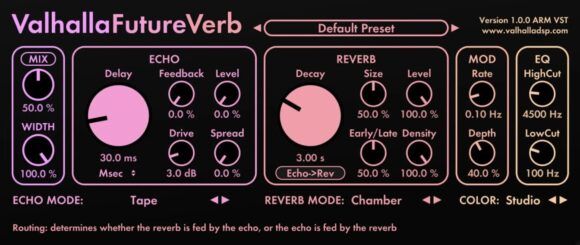
Pre-delay determines how long it takes before the reverb starts.
-
Short pre-delay → closer sound
-
Longer pre-delay → clearer, more upfront sound
EQ Your Reverb
Always EQ the reverb signal:
-
High-pass to remove low-end mud
-
Low-pass to tame harsh highs
What Is Delay?
Delay records a sound and plays it back after a set amount of time—creating an echo effect.
Unlike reverb, delay is rhythmic and time-based, often synced to the tempo of the song.
Common Delay Types
-
Slapback delay – short, single echo
-
Ping-pong delay – bouncing left/right echoes
-
Tape delay – warm, vintage character
-
Digital delay – clean and precise
Why Use Delay?
Delay is used to:
-
Add width and depth
-
Enhance rhythm and groove
-
Fill empty spaces
-
Create movement and interest
It’s often more noticeable than reverb and can be very musical.
How to Use Delay Creatively
Tempo Sync Is Key
Sync delay time to the track’s tempo (1/4, 1/8, dotted values) for rhythmic consistency.
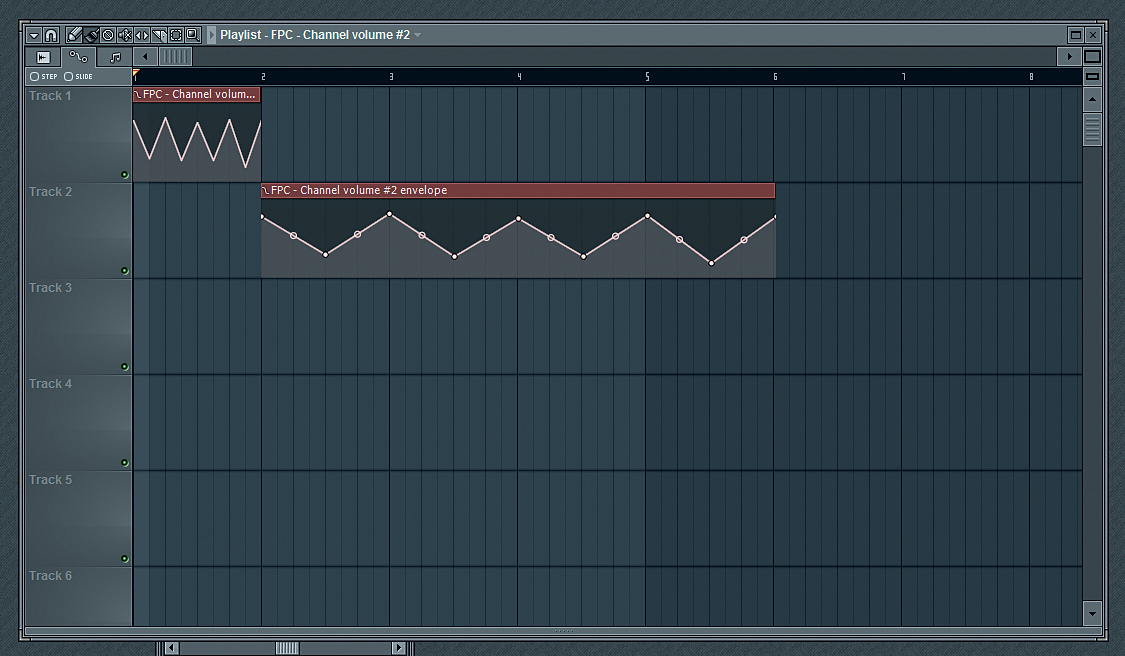
Automate Delay
Use delay only on certain words or notes—especially on vocals or leads—to keep the mix clean.
Filter the Delay Signal
Filtered delays sit better in the mix and don’t clash with the original sound.
Reverb vs. Delay: When to Choose Which
-
Use reverb when you want realism and depth
-
Use delay when you want rhythm and movement
-
Use both carefully for spacious, emotional effects
Too much of either can push sounds too far back in the mix.
Common Mistakes to Avoid
– Too much reverb on every track
– Long reverb tails in busy mixes
– Delay masking vocals or leads
– Not EQing effects
– Using effects without purpose
Always listen in context.
A Practical Workflow Tip
-
Start with the mix dry
-
Add one main reverb for space
-
Use delay for interest and rhythm
-
EQ and automate effects
-
Bypass often and compare
If you miss the effect when it’s off, you’re using it right.
Reverb and delay are not just effects—they are mixing tools that shape depth, space, and emotion. When used consciously, they enhance clarity and musicality. When overused, they hide problems instead of solving them.
Use reverb and delay with intention, subtlety, and purpose—and your mixes will instantly sound more professional.