Arrangement is one of the most important—and often most challenging—parts of music production. Even with great sounds and a strong idea, a track can feel flat or unfinished if the arrangement isn’t working. Understanding how arrangements differ across genres helps producers structure tracks more effectively and keep listeners engaged.
In this article, we’ll explore how to build arrangements in various music styles and what each genre typically requires.
What Is Musical Arrangement?
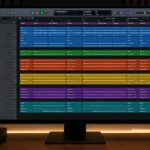
Arrangement refers to how a song is structured over time:
-
When elements enter and exit
-
How energy rises and falls
-
How sections connect and evolve
A good arrangement tells a story, guiding the listener through the track from beginning to end.
Common Arrangement Building Blocks
Most genres use some combination of these sections:
-
Intro
-
Verse
-
Pre-Chorus
-
Chorus / Drop
-
Bridge / Breakdown
-
Outro
How long these sections last—and how they function—depends heavily on the genre.
Electronic Dance Music (EDM)
EDM arrangements are designed for energy control and impact.
Typical Structure:
-
Intro (DJ-friendly, minimal)
-
Build-up
-
Drop
-
Breakdown
-
Second build-up and drop
-
Outro
Key Tips:
-
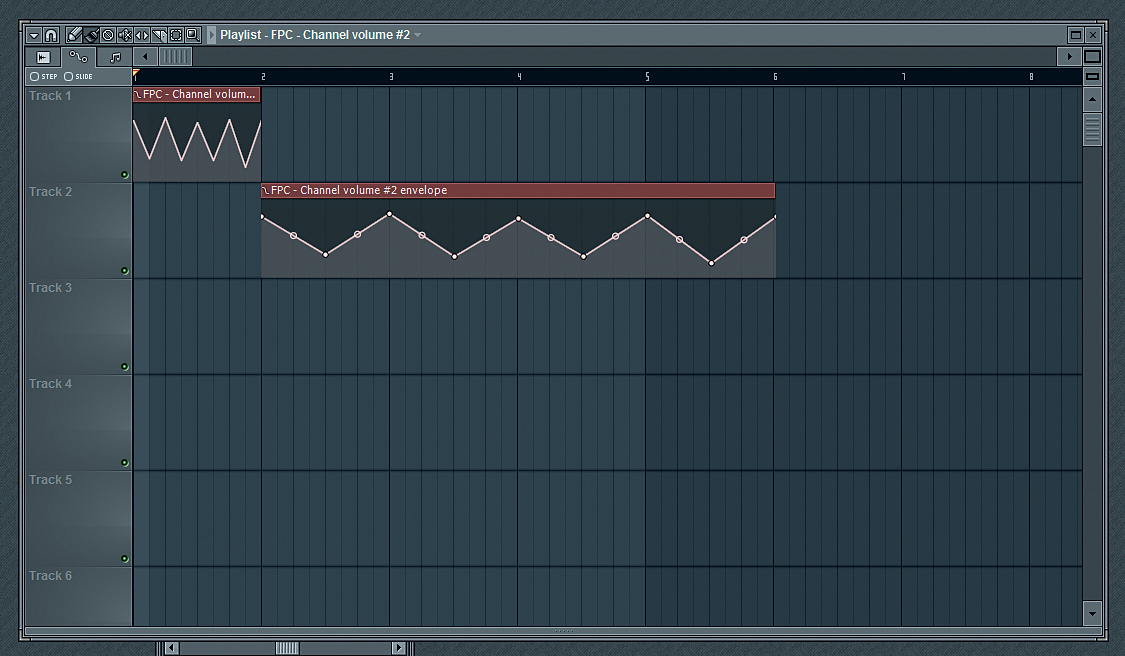
Use automation to build tension
-
Remove elements before drops for impact
-
Repeat ideas with variation to maintain interest
Hip-Hop
Hip-hop arrangements focus on lyrics, groove, and repetition.
Typical Structure:
-
Intro
-
Verse
-
Hook (Chorus)
-
Verse
-
Hook
-
Outro
Key Tips:
-
Keep beats consistent to support vocals
-
Introduce subtle variations between verses
-
Drop elements during verses to highlight lyrics
Pop Music
Pop music emphasizes clarity, memorability, and structure.
Typical Structure:
-
Intro
-
Verse
-
Pre-Chorus
-
Chorus
-
Verse
-
Chorus
-
Bridge
-
Final Chorus
Key Tips:
-
Make the chorus the emotional peak
-
Keep transitions smooth and predictable
-
Avoid overcrowding the mix
Rock and Alternative
Rock arrangements are often performance-driven.
Typical Structure:
-
Intro
-
Verse
-
Chorus
-
Verse
-
Chorus
-
Bridge
-
Final Chorus
Key Tips:
-
Use dynamics (quiet vs loud sections)
-
Build intensity with guitars and drums
-
Let instruments breathe between sections
Techno and House
These genres rely on gradual evolution rather than dramatic changes.
Typical Structure:
-
Long intro
-
Groove development
-
Breakdown
-
Peak section
-
Outro
Key Tips:
-
Introduce elements one at a time
-
Focus on texture and rhythm changes
-
Keep transitions smooth for DJ mixing
Drum & Bass and Jungle
Fast-paced genres need tight energy management.
Typical Structure:
-
Intro (atmospheric)
-
Drop
-
Mid-section variation
-
Second drop
-
Outro
Key Tips:
-
Keep drums driving and consistent
-
Use breakdowns to reset energy
-
Vary bass patterns to maintain excitement
Cinematic and Ambient Music
These styles focus on mood and progression, not traditional song forms.
Typical Structure:
-
Slow intro
-
Gradual build
-
Emotional peak
-
Resolution
Key Tips:
-
Develop themes slowly
-
Use layering and automation
-
Avoid abrupt changes
Arrangement Techniques That Work in Any Genre
Regardless of style:
-
Remove elements to create contrast
-
Use automation to add movement
-
Change patterns slightly when sections repeat
-
Think in terms of energy, not just sections
Common Arrangement Mistakes
-
Adding too many elements too early
-
Repeating sections without variation
-
Ignoring transitions between parts
-
Overcomplicating the structure
Simplicity often leads to stronger arrangements.
Building arrangements in different genres requires understanding their structure, energy flow, and audience expectations. While rules vary, the goal is always the same: guide the listener through an engaging musical journey.
Learning genre-specific arrangement techniques—and knowing when to break the rules—will greatly improve your productions.