Modular synthesis has long been associated with complex hardware setups and steep learning curves. Thanks to modern software, however, the power of modular systems is now accessible to anyone with a DAW. Cardinal VST is one of the most exciting tools in this space—an open-source, modular synthesizer plugin that brings the world of virtual modular synthesis directly into your music production workflow.
In this article, we’ll explore what Cardinal VST is, how it works, and why it has become so popular among experimental producers and sound designers.
What Is Cardinal VST?
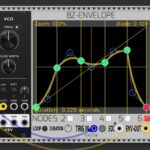
Cardinal is a free, open-source modular synthesizer plugin based on the technology of VCV Rack. It runs as a VST, AU, LV2, and standalone application, allowing full integration with most modern DAWs.
Unlike traditional synthesizers with fixed signal paths, Cardinal lets you build your own instruments and effects from individual modules—just like a real modular synth.
Open-Source and Community-Driven
One of Cardinal’s biggest strengths is that it is completely open-source.
This means:
- No license fees
- Transparent development
- Community-created modules
- Continuous improvement
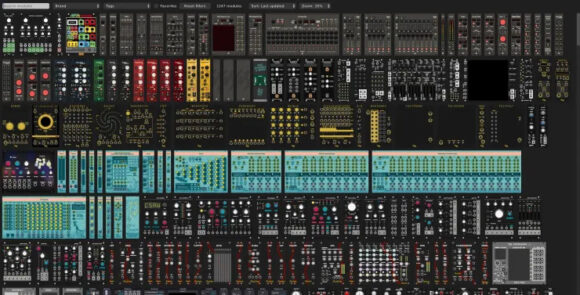
Cardinal includes a large collection of free modules, many inspired by classic Eurorack designs.
True Modular Workflow
Cardinal follows the modular philosophy:
- No fixed signal flow
- Patch cables connect everything
- Audio and control signals are treated equally
You can build:
- Synth voices
- Sequencers
- Effects processors
- Generative music systems
The only real limit is your creativity—and CPU power.
Integration With Your DAW
As a VST plugin, Cardinal integrates smoothly into DAW-based workflows.
Key integration features:
- Tempo sync with the host DAW
- MIDI input and output
- Audio routing to and from tracks
- Automation support
This makes Cardinal suitable not only for experimentation, but also for serious production work.
Sound Design and Creative Possibilities
Cardinal excels in:
- Experimental sound design
- Ambient and drone music
- Techno and electronic genres
- Generative and algorithmic music
- Educational synthesis exploration
Because everything is modular, you can create sounds and behaviors that are impossible in traditional synths.
Learning Curve and Usability
Modular synthesis can be intimidating at first.
What to expect:
- Steep learning curve for beginners
- Requires basic understanding of synthesis
- Rewards experimentation and patience
However, Cardinal is an excellent learning tool for understanding:
- Signal flow
- Modulation
- Audio-rate control
- Advanced synthesis concepts
Performance and System Requirements
Because Cardinal runs complex modular patches:
- CPU usage can increase quickly
- Large patches require powerful systems
- Efficient patch design is important
That said, performance is generally stable, especially when used thoughtfully.
Pros and Cons
Pros
- Free and open-source
- True modular flexibility
- Large selection of modules
- DAW integration
- Ideal for experimentation and learning
Cons
- Steep learning curve
- No preset-driven workflow
- Can be CPU-intensive
- Not ideal for quick, conventional sounds
Cardinal vs Other Modular Plugins
Compared to other modular environments:
- More open than many commercial options
- Closer to real Eurorack workflows
- Less polished UI than paid alternatives
Many producers use Cardinal alongside traditional synths for unique textures and ideas.
Cardinal VST is not a typical synthesizer—it’s a modular playground for sound exploration. It rewards curiosity, experimentation, and a willingness to learn. While it may not be the fastest tool for everyday production tasks, it offers creative freedom that few plugins can match.
If you’re interested in modular synthesis, experimental music, or deep sound design—and especially if you value open-source tools—Cardinal VST is absolutely worth exploring.