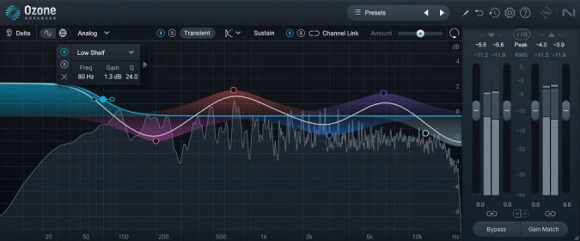
The equalizer, or EQ, is one of the most important tools in music production. While compression controls dynamics, EQ shapes the tone and clarity of your sound. Learning how to use an equalizer properly is essential for creating clean, balanced, and professional mixes.
In this article, we’ll cover EQ fundamentals and explain how to shape sound intentionally rather than guessing.
What Is an Equalizer?
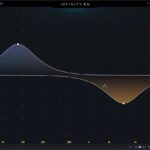
An equalizer allows you to boost or cut specific frequency ranges within a sound. Every instrument occupies its own space in the frequency spectrum, and EQ helps prevent those sounds from clashing.
EQ does not fix bad recordings—but it can dramatically improve clarity and balance when used correctly.
The Frequency Spectrum Explained
Human hearing ranges roughly from 20 Hz to 20 kHz. For mixing purposes, this range is often divided into zones:
-
Sub-bass (20–60 Hz) – weight and rumble
-
Bass (60–250 Hz) – body and warmth
-
Low mids (250–500 Hz) – fullness, muddiness
-
Midrange (500 Hz–2 kHz) – definition and presence
-
High mids (2–6 kHz) – clarity, attack
-
High frequencies (6–20 kHz) – air and brightness
Understanding where instruments live in this spectrum is the foundation of effective EQ.
Cut Before You Boost
One of the most important EQ principles is:
Cut first, boost later (if at all).
Cutting unwanted frequencies:
-
Reduces muddiness
-
Preserves headroom
-
Sounds more natural
Boosting should be subtle and purposeful.
Types of EQ Bands
Most modern EQs offer several filter types:
High-Pass Filter (HPF)
Removes low frequencies below a set point.
Used to clean up rumble and low-end noise.
Low-Pass Filter (LPF)
Removes high frequencies above a set point.
Useful for taming harshness or fitting sounds into the mix.
Bell (Peak) Filter
Boosts or cuts a specific frequency range.
The most common EQ tool.
Shelf Filters
Boost or cut everything above or below a certain frequency.
Q Factor – How Wide Is the Change?
The Q factor controls how narrow or wide an EQ adjustment is.
-
Narrow Q – precise problem solving
-
Wide Q – gentle tonal shaping
Use narrow cuts to remove resonances and wide moves for musical shaping.
EQ in Practice: Common Applications
Vocals
-
High-pass to remove low-end rumble
-
Cut low mids to reduce muddiness
-
Gentle boost in high mids for clarity
Drums
-
Kick: boost low end, cut boxy mids
-
Snare: presence boost around mids
-
Hi-hats: remove unnecessary low frequencies
Bass
-
Shape low end to sit with the kick
-
Cut muddy frequencies
-
Control upper mids for definition
Static EQ vs. Dynamic EQ
-
Static EQ applies constant boosts or cuts
-
Dynamic EQ reacts only when frequencies become too loud
Dynamic EQ is ideal for:
-
Harsh vocals
-
Resonant instruments
-
Problem frequencies that change over time
EQ and Mixing Philosophy
EQ is not about making every track sound “good” on its own—it’s about making everything work together.
Sometimes a sound that seems thin soloed fits perfectly in the mix. Always EQ while listening in context.
Common EQ Mistakes
– Over-boosting high frequencies
– Soloing tracks too much
– Using extreme EQ moves unnecessarily
– Ignoring gain staging
– EQing visually instead of by ear
Trust your ears, not just the graph.
A Simple EQ Workflow
-
Listen to the sound in the mix
-
Identify problems, not preferences
-
Apply gentle cuts
-
Boost only if needed
-
A/B test often
-
Stop when it sounds better, not brighter
EQ is one of the most powerful creative tools in music production. When used intentionally, it creates space, clarity, and balance. When overused, it causes fatigue and imbalance.
Learn the frequency spectrum, train your ears, and use EQ with purpose. Great mixes aren’t about more EQ—they’re about better decisions.