
Synthesizers are at the heart of modern music production. From classic analog sounds to cutting-edge electronic textures, synths are used in almost every genre—from pop and EDM to film scores and experimental music. But how do synthesizers actually work?
In this beginner-friendly guide, we’ll break down the core concepts behind synthesizers in a simple and practical way.
What Is a Synthesizer?
A synthesizer is an instrument that generates and shapes sound electronically. Instead of producing sound through vibrating strings or air columns, synths create sound using oscillators, filters, and modulators.
At their core, synthesizers allow you to:
-
Create sounds from scratch
-
Shape tone and timbre
-
Control sound over time
-
Experiment creatively with audio
The Basic Signal Path
Most synthesizers—hardware or software—follow a similar structure called the signal path:
Oscillator → Filter → Amplifier → Output
Understanding this flow makes learning synthesis much easier.
1. Oscillators – The Sound Source
The oscillator generates the raw sound. It creates a continuous waveform at a specific pitch.
Common Waveforms
-
Sine – smooth and pure
-
Square – hollow and aggressive
-
Sawtooth – bright and rich
-
Triangle – soft but harmonically complex
Each waveform has a unique harmonic structure, which affects how the sound feels and cuts through a mix.
2. Pitch and Frequency
Pitch is controlled by frequency, measured in Hertz (Hz).
-
Low frequencies = bass sounds
-
High frequencies = bright, sharp sounds
When you play different notes on a keyboard or MIDI controller, you’re changing the oscillator’s frequency.
3. Filters – Shaping the Tone
Filters shape the sound by removing certain frequencies.
Common Filter Types
-
Low-pass filter (LPF) – removes high frequencies
-
High-pass filter (HPF) – removes low frequencies
-
Band-pass filter (BPF) – allows a specific frequency range
The most important filter controls:
-
Cutoff – where frequencies start to be reduced
-
Resonance – boosts frequencies around the cutoff point
Filters are key to creating movement and character in synth sounds.
4. Amplifier and Volume Control
The amplifier (amp) controls the loudness of the sound.
Most synths use an envelope to shape volume over time, known as ADSR:
-
Attack – how quickly the sound starts
-
Decay – how fast it drops after the attack
-
Sustain – the level while holding the note
-
Release – how long it fades after releasing the key
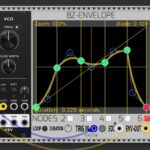
ADSR envelopes help create everything from sharp plucks to long evolving pads.
5. Envelopes – Adding Expression
Envelopes aren’t limited to volume. They can also control:
-
Filter cutoff
-
Pitch
-
Modulation depth
This is how synth sounds feel expressive instead of static.
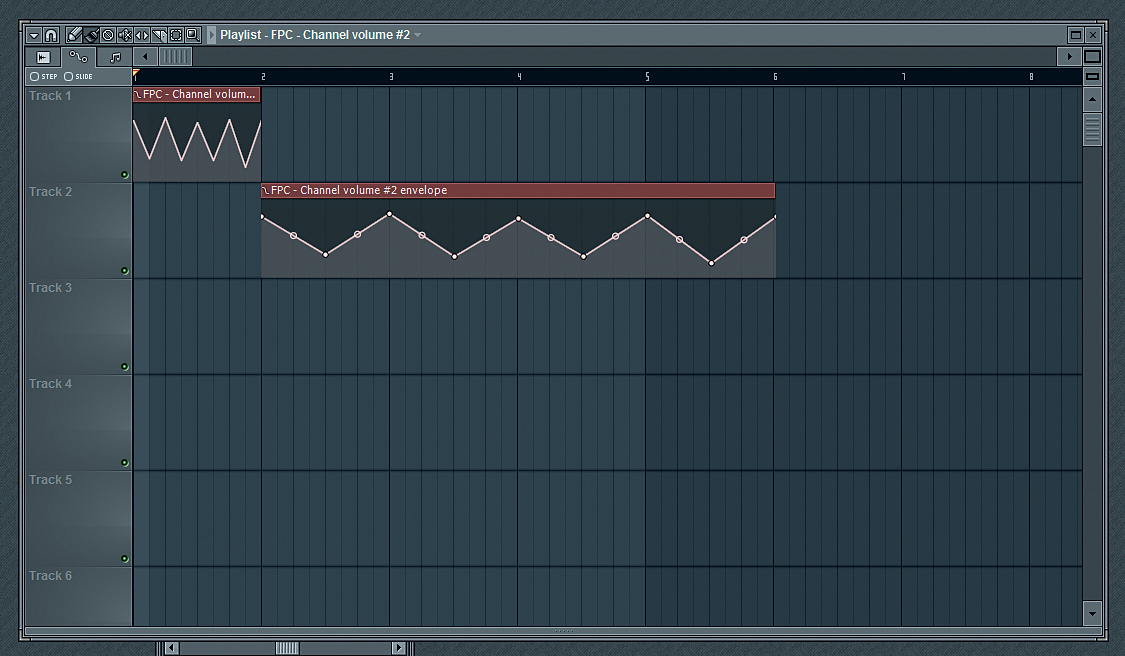
6. LFOs – Movement and Modulation
An LFO (Low-Frequency Oscillator) modulates parameters over time.
Common LFO targets:
-
Pitch (vibrato)
-
Filter cutoff (wobble)
-
Volume (tremolo)
-
Panning
LFOs add rhythm and motion to sounds, making them feel alive.
7. Mono vs. Poly Synths
-
Monophonic synths – play one note at a time (great for bass and leads)
-
Polyphonic synths – play multiple notes at once (pads, chords)
Modern software synths usually support both modes.
8. Analog vs. Digital Synthesizers
Analog Synths
-
Use electrical circuits
-
Warm, unpredictable character
-
Classic sound
Digital Synths
-
Software or digital hardware
-
Extremely flexible
-
Stable and affordable
Many modern synths combine both approaches.
9. Subtractive Synthesis (The Most Common Type)
Most beginner synths use subtractive synthesis:
-
Generate a harmonically rich waveform
-
Remove frequencies with filters
-
Shape dynamics with envelopes
This method is the foundation of countless iconic sounds.
Why Learn Synthesizers?
Understanding synthesis helps you:
-
Create your own unique sounds
-
Modify presets with confidence
-
Work faster and more creatively
-
Improve sound design skills
Once you understand the basics, presets stop feeling like magic—and start feeling like tools.
Synthesizers may seem complex at first, but they all rely on the same core principles. By understanding oscillators, filters, envelopes, and modulation, you unlock a powerful world of sound design.
Start simple. Turn one knob at a time. Experiment freely.
The best way to learn synthesis is by listening and exploring.