
Many beginner producers believe that achieving a professional mix requires expensive plugins, analog hardware, and a high-end studio. In reality, great mixes are built on skills, decisions, and workflow—not on price tags. Modern DAWs and free or affordable plugins provide everything you need to produce high-quality mixes.
This article explains how to achieve professional results without costly equipment.
1. A Great Mix Starts With Great Source Material
No amount of processing can fix poor recordings or weak sound choices.
Focus on:
- High-quality samples and sounds
- Clean recordings without clipping or noise
- Smart arrangements with space for each element
Good mixing becomes much easier when the source material is solid.
2. Gain Staging – The Foundation of a Clean Mix
Proper level management is essential.
Best practices:
- Avoid clipping at every stage
- Leave enough headroom
- Mix at lower levels rather than pushing loudness
Well-balanced gain staging helps your mix stay clean and dynamic.
3. Use EQ With Intention
You don’t need expensive EQ plugins to achieve clarity.
Tips for effective EQ:
- Cut unwanted frequencies before boosting
- Avoid extreme EQ moves
- Give each instrument its own frequency space
Stock EQs in most DAWs are more than capable.
4. Compression: Less Is More
Compression controls dynamics—not volume.
Guidelines:
- Use gentle compression
- Listen carefully instead of relying on visuals
- Don’t compress everything by default
Over-compression is one of the most common mixing mistakes.
5. Volume Balance Is 80% of the Mix
A professional mix is mainly about level balance.
Before adding plugins:
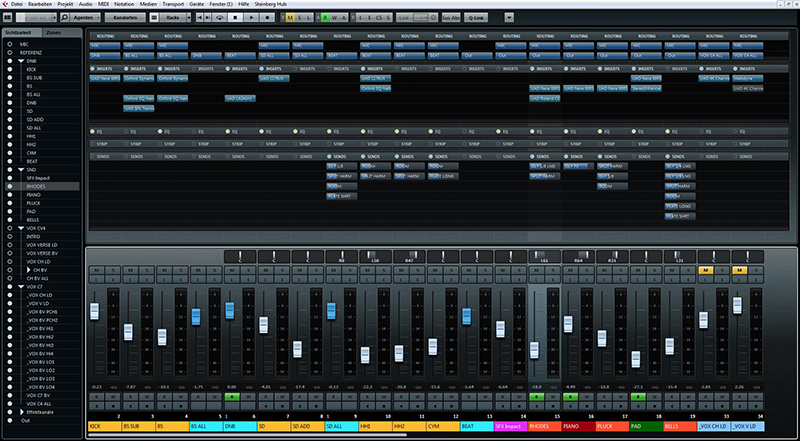
- Set fader levels carefully
- Mute unnecessary elements
- Listen at low volume
If it sounds good without processing, you’re on the right path.
6. Create Space With Reverb and Delay
Spatial effects add depth, but they must be used wisely.
Best practices:
- Use sends instead of inserts
- Short reverbs often work better than long ones
- Delay can create space without washing out the mix
Clarity should always come first.
7. Use Reference Tracks
Reference tracks are a powerful learning tool.
How to use them:
- Match balance, not loudness
- Compare frequency distribution
- Focus on instrument relationships
References help you make objective decisions.
8. Monitoring Matters More Than Gear Price
You don’t need expensive monitors—but you need to know your listening system.
Tips:
- Mix at moderate volume
- Check your mix on multiple systems
- Learn how your room and headphones affect sound
Experience beats expensive monitoring.
9. Keep It Simple
More plugins do not equal better sound.
Common beginner mistakes:
- Too many tracks
- Over-processing
- Lack of clear decisions
Sometimes removing elements improves the mix more than adding effects.
10. Practice Beats Equipment
Professional results come from:
- Consistent practice
- Critical listening
- Learning from mistakes
Every mix teaches you something—even the bad ones.
A professional-sounding mix does not require expensive gear. It requires:
- Strong fundamentals
- Clear decision-making
- A focused workflow
Master the basics, and your mixes will improve regardless of your budget.