
In electronic music, the drop is the moment everyone waits for. It’s the payoff after the build-up—the explosion of energy that makes people move. Whether you produce EDM, dubstep, house, trap, or drum & bass, learning how to craft powerful drops is essential.
But big drops aren’t just about loud kicks and heavy bass. They’re about contrast, tension, impact, and smart arrangement. In this article, we’ll break down how to create drops that truly hit.
1. A Powerful Drop Starts With Contrast
The strength of a drop depends on what happens before it.
Why contrast matters:
- Loud feels louder after quiet
- Heavy feels heavier after light
- Full feels bigger after minimal
Before your drop:
- Remove low-end elements
- Simplify drums
- Use filtering to reduce brightness
- Create space
The bigger the contrast, the stronger the impact.
2. Build Tension Before the Release
A drop without tension feels flat.
Effective tension tools:
- Risers and white noise sweeps
- Snare rolls or percussion builds
- Filter automation (high-pass or low-pass sweeps)
- Increasing reverb or delay
- Pitch risers
Gradually increase intensity so the listener anticipates the drop.
3. Design a Strong Kick and Bass Foundation
The low-end defines the power of the drop.
Tips for heavy low-end:
- Use a clean, punchy kick
- Make sure kick and bass are not clashing
- Sidechain bass to the kick
- Keep sub frequencies mono
A tight and controlled low-end is more powerful than a muddy one.
4. Layer Sounds for Maximum Impact
Professional drops often use layered sounds.
Example layering:
- Main lead or bass layer
- Mid-range support layer
- High-frequency texture layer
- Impact or hit sample
Each layer should have a purpose and occupy a different frequency range.
5. Focus on Rhythm and Groove
Power isn’t only about volume—it’s about rhythm.
- Use syncopation for excitement
- Add rhythmic variation
- Leave small gaps for groove
- Avoid overfilling every beat
Groove makes drops feel energetic instead of chaotic.
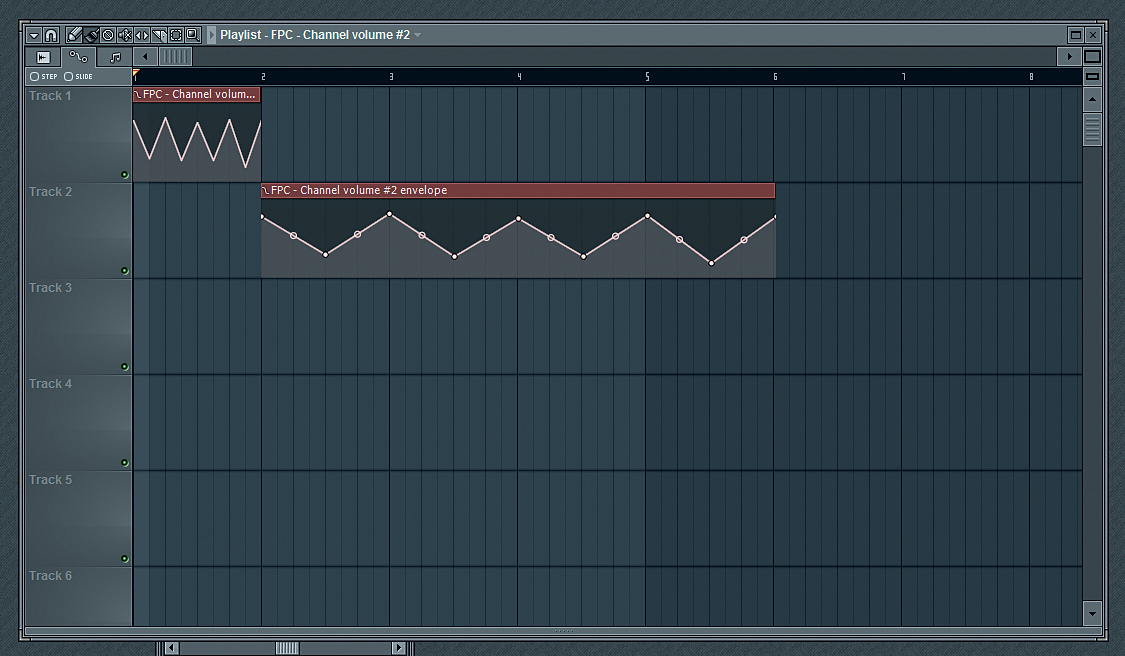
6. Use Automation for Movement
Static sounds feel weak.
Automate:
- Filter cutoff
- Distortion amount
- Reverb send levels
- Stereo width
- Pitch bends
Movement creates life and keeps the drop interesting.
7. Add Impact Sounds
Transitions into the drop matter just as much as the drop itself.
Use:
- Downlifters
- Reverse effects
- Sub drops
- Cymbal crashes
- Silence before impact
Even a short half-beat of silence can dramatically increase punch.
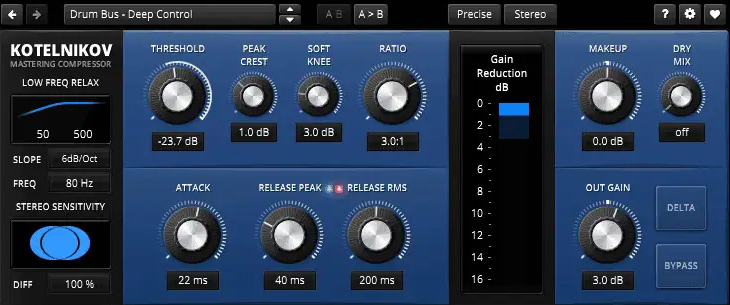
8. Control Loudness and Dynamics
Over-limiting kills impact.
Tips:
- Leave headroom before mastering
- Avoid clipping
- Preserve transient punch
- Don’t squash everything with compression
Dynamic contrast is what makes drops feel explosive.
9. Keep It Simple and Memorable
Some of the biggest electronic drops are surprisingly simple.
Avoid:
- Too many competing elements
- Overly complex melodies
- Cluttered arrangements
A clear, focused idea is stronger than chaos.
10. Test on Different Systems
A powerful drop should translate everywhere:
- Studio monitors
- Headphones
- Car speakers
- Club systems
Check low-end balance and clarity across playback systems.
Common Drop Mistakes
- No contrast before the drop
- Weak low-end
- Overcrowded mix
- Too much reverb
- Lack of groove
Fixing these issues instantly improves impact.
Creating powerful drops in electronic music is about energy management, contrast, and smart sound design. When tension builds naturally and the drop delivers clarity, punch, and groove, the result is unforgettable.
Mastering drops takes practice—but with attention to detail and intentional arrangement, you can turn good ideas into explosive moments.