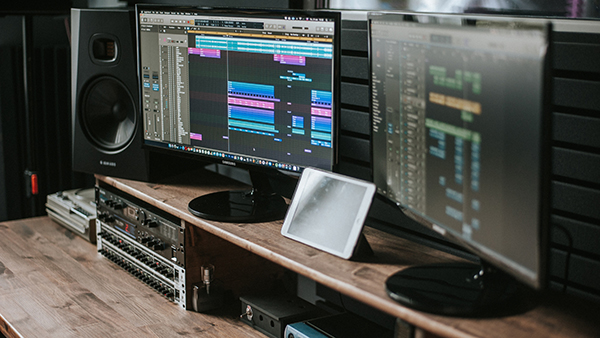

Making music at home has never been more accessible. With affordable software, compact equipment, and countless online resources, you can start producing your own tracks from your bedroom or living room—no professional studio required. Whether you dream of creating EDM bangers, lo-fi beats, hip-hop instrumentals, rock demos, or cinematic soundscapes, this guide will walk you through the essential steps to begin your music-production journey.
1. Set Up Your Home Studio (Without Breaking the Bank)
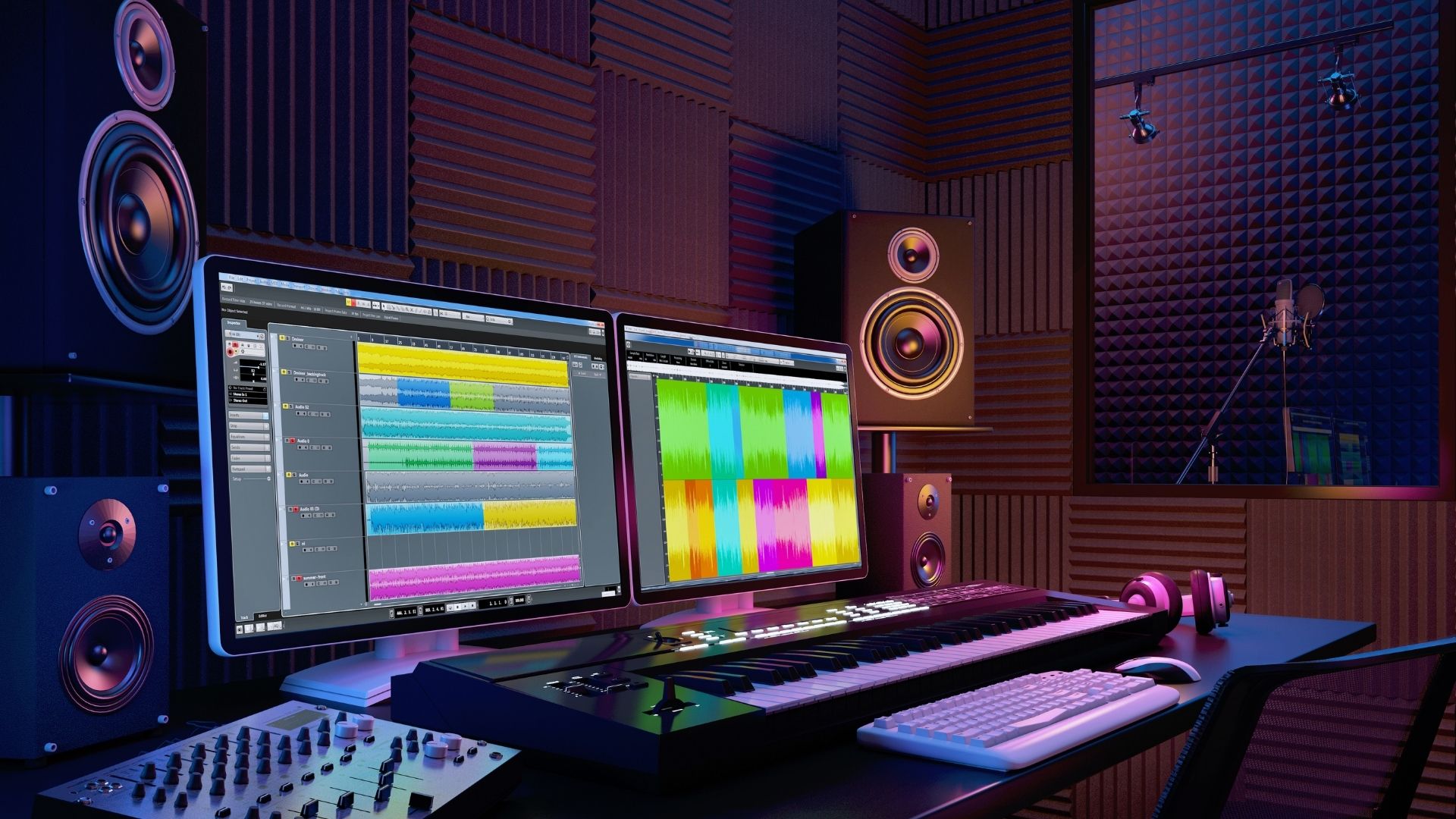
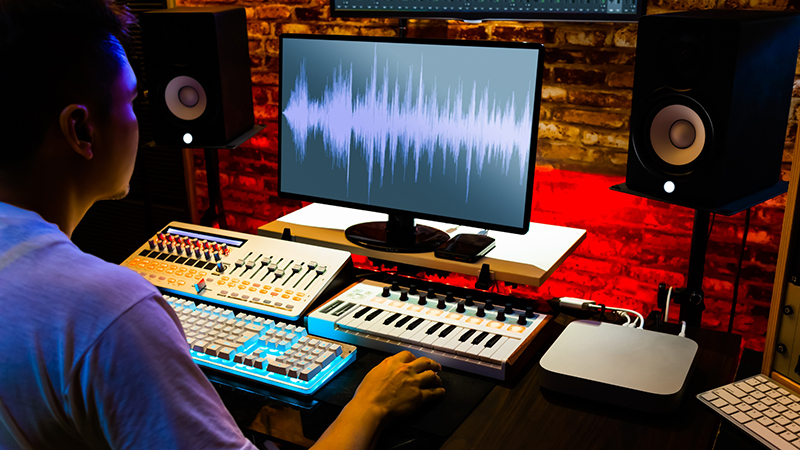
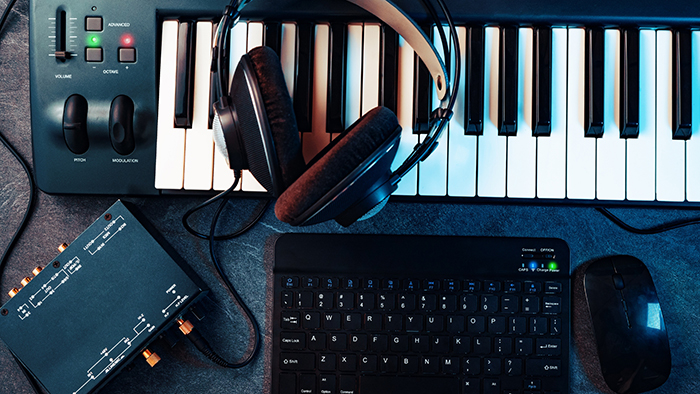
You don’t need expensive gear to start. A simple home setup can grow with you as your skills develop.
The Absolute Essentials:
– Laptop or Desktop Computer
Aim for at least 8 GB RAM (16 GB is ideal). Most beginners can start with whatever computer they already have.
– Digital Audio Workstation (DAW)
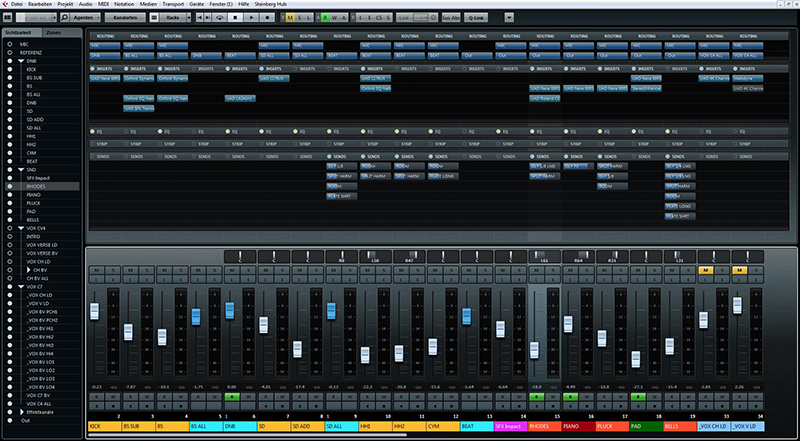
A DAW is the main program you’ll use to compose, record, and mix music. Popular options:
Free: GarageBand (Mac), Cakewalk (Windows)
Paid: Ableton Live, FL Studio, Logic Pro, Reaper
– Headphones
Studio headphones give you a clearer, more accurate sound. Good beginner models include the Audio-Technica ATH-M40x or Sony MDR-7506.
Optional (but Highly Recommended) Gear:
– Audio interface – improves sound quality and lets you record instruments or vocals.
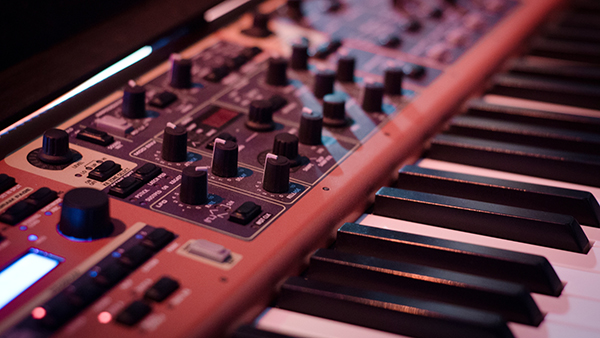
– MIDI keyboard – makes playing melodies and chords far easier than clicking notes.
– Studio monitors – speakers designed for accurate audio mixing.
Start small. Add equipment only when you feel you need it.
2. Learn the Basics of Your DAW
Regardless of which DAW you choose, they all share similar core features. Focus on mastering:
– Tracks and channels
– MIDI vs. audio
– Loops and samples
– Plugins and instruments
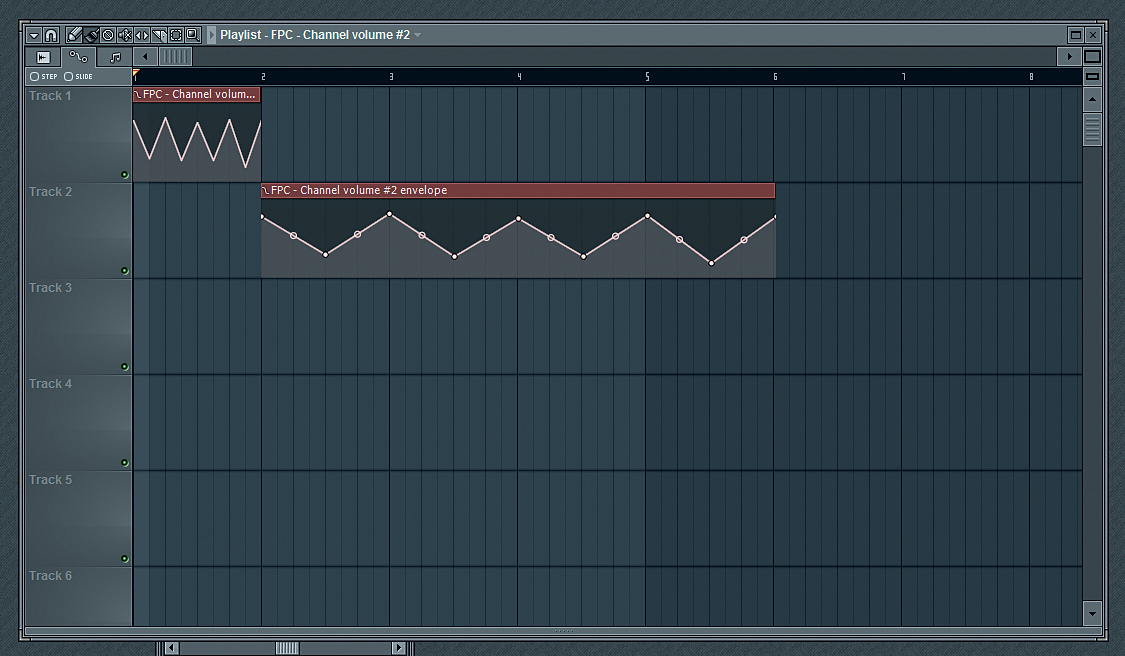
– Automation
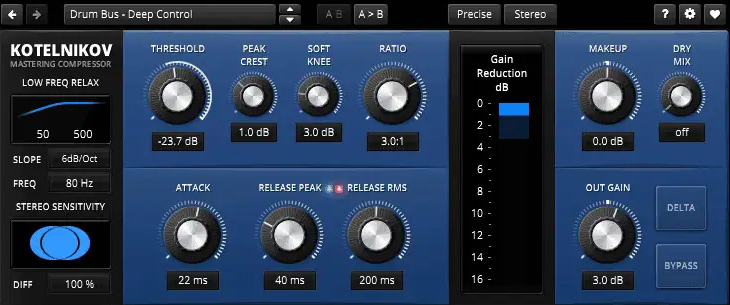
– EQ, compression, and effects
Most DAWs offer built-in tutorials, and YouTube is full of beginner-friendly walkthroughs. Spend a few days learning the interface—it pays off later.
3. Start Making Music with Samples and Loops
If music theory feels intimidating, don’t worry. Modern production tools make it easy to start creating right away.
Try:
– Dragging loops into your DAW to build a simple beat
– Experimenting with drum samples
– Adding melodies using virtual instruments
– Layering sounds to create fuller arrangements
This approach helps you understand how songs are structured without overwhelming you.
4. Understand Basic Music Theory (Just the Essentials)
You don’t need years of training, but learning a few fundamentals will dramatically improve your music:
– What chords are and how they work
– How to build scales
– Common chord progressions (like I–V–vi–IV)
– Basic rhythm patterns
Even 30 minutes a day of practice will make your tracks sound more intentional and musical.
5. Explore Free Plugins and Virtual Instruments
Your DAW includes built-in sounds, but third-party plugins can take your music to the next level—many are free.
Great starter options:
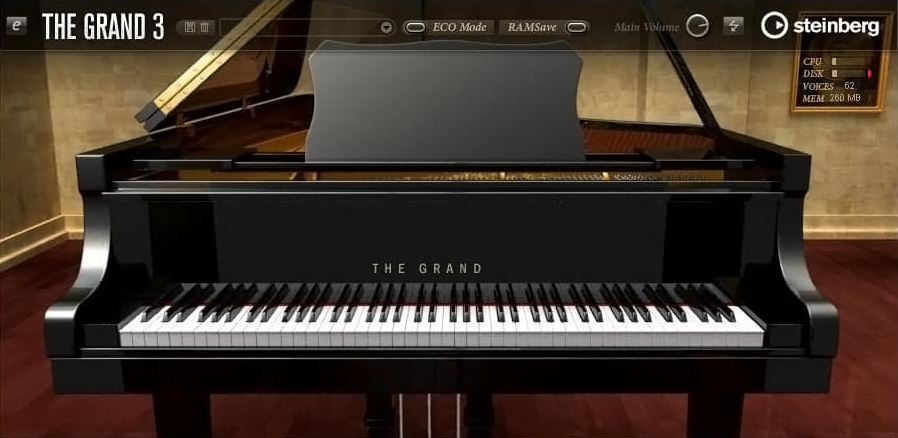
– Instruments: Spitfire LABS, Dexed, Surge XT
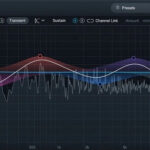
– Effects: Valhalla Supermassive, Voxengo Span, TDR Nova
Plugins let you experiment with new textures without spending money.
6. Record Your Own Sounds
Once you’re comfortable with digital instruments, try adding your own recordings.
You can record:
– Vocals
– Guitar
– Keyboard
– Even random household sounds for unique textures
A basic USB mic is enough to start. Recording your own audio makes your music feel more personal and original.
7. Learn the Basics of Mixing
Mixing is where your track comes to life. Start with these core principles:
– Volume balance – the most important part of mixing
– EQ – cuts out unwanted frequencies
– Compression – smooths out volume changes
– Reverb & delay – adds depth and space
– Panning – spreads sounds across the stereo field
You don’t need to master everything on day one—focus on achieving a clean and clear sound.
8. Finish Your First Song (Even If It Isn’t Perfect)
Perfectionism is the biggest enemy of beginners. Your goal is to finish something—not to make a masterpiece.
Try this workflow:
* Create a simple beat
* Add a chord progression
* Write a melody or bassline
* Arrange it into a full track (intro, verse, chorus, etc.)
* Apply basic mixing
* Export and listen on different headphones or speakers
The more songs you finish, the faster you’ll improve.
9. Share Your Music and Get Feedback
If you’re comfortable, post your track on:
– SoundCloud
– YouTube
– Reddit (e.g., r/makinghiphop, r/edmproduction)
– Discord communities
Feedback helps you grow—and the music community is full of supportive beginners just like you.
10. Keep Experimenting and Have Fun
Music is an endless learning process. Explore new genres, try unfamiliar plugins, recreate songs you love, and collaborate with friends. Your style will evolve naturally.
The most important thing? Enjoy the process and stay curious.
Final Thoughts
Starting music production at home is easier than ever, and you don’t need expensive gear or formal training to begin. With a computer, a DAW, headphones, and a bit of creativity, you can start crafting your own songs today. Take it step by step, stay consistent, and let your passion guide you.