Sound design is one of the most creative and rewarding aspects of music production. Instead of relying solely on factory presets, designing your own sounds allows you to develop a unique sonic identity and gain a deeper understanding of synthesis. But sound design is not about randomly turning knobs—it’s a structured creative process.
In this article, we’ll walk through the sound design journey, from the initial idea to a polished, reusable preset.
What Is Sound Design?
Sound design is the process of creating, shaping, and refining sounds using synthesis, sampling, and effects. It applies to:
- Synth presets
- Bass sounds
- Leads and pads
- FX and textures
- Percussion and impacts
Good sound design balances creativity and intention.
Step 1: Start With a Clear Idea
Every good sound starts with a concept.
Ask yourself:
- What role will this sound play? (bass, lead, pad, FX)
- What emotion or energy should it convey?
- Is it aggressive, soft, dark, bright, organic, or digital?
Having a clear goal prevents endless tweaking and keeps the process focused.
Step 2: Choose the Right Synthesis Method
Different ideas call for different tools.
Common synthesis methods:
- Subtractive – great for classic basses and leads
- Wavetable – ideal for modern, evolving sounds
- FM – perfect for complex, metallic tones
- Additive – useful for harmonic control
- Granular – excellent for textures and atmospheres
Choosing the right method early saves time later.
Step 3: Build the Core Sound
Start simple.
Focus on:
- Oscillator selection
- Basic waveform choice
- Initial pitch and tuning
At this stage, ignore effects. A strong sound should work even when dry.
Step 4: Shape the Sound Over Time
Movement is what makes sounds feel alive.
Use:
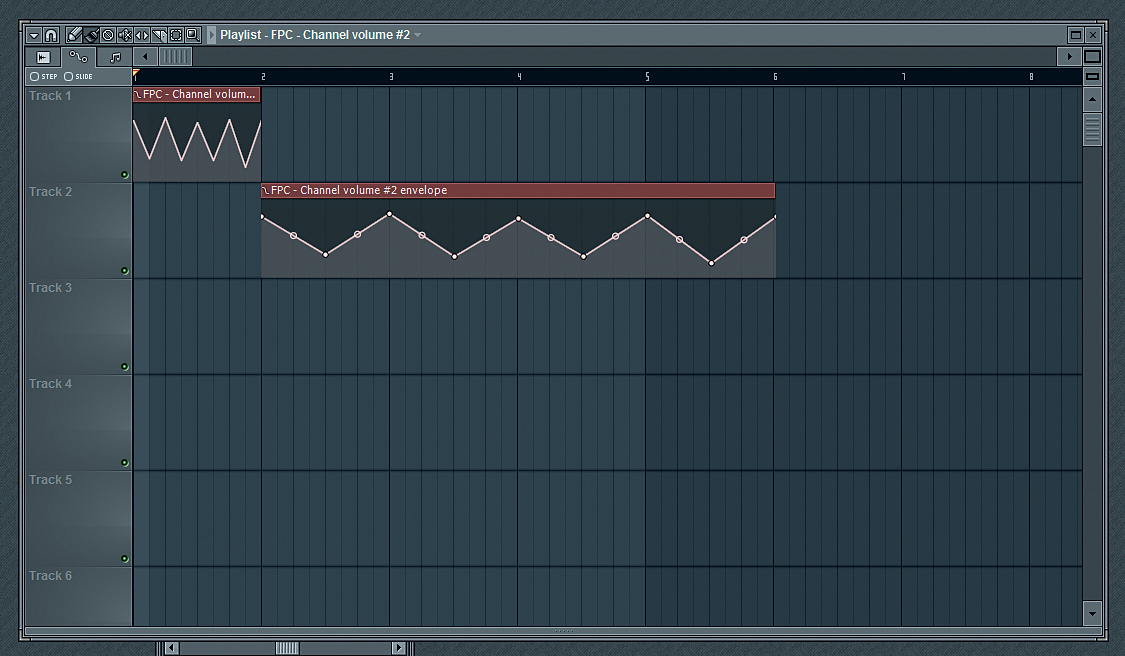
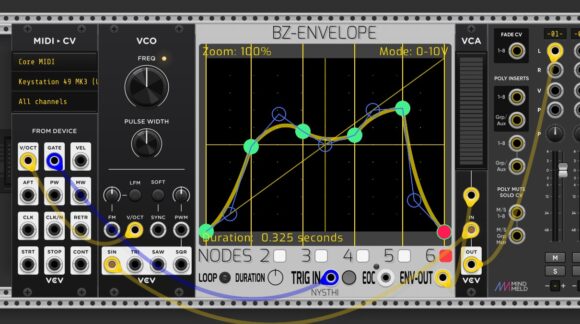
- Envelopes for volume, filter, or pitch changes
- LFOs for rhythmic or evolving modulation
- Velocity and aftertouch for expressive control
Even subtle modulation can dramatically improve musicality.
Step 5: Refine With Filters and EQ
Filters define the character of a sound.
Tips:
- Use low-pass filters to control brightness
- Add resonance for character
- Remove unnecessary frequencies
EQ should enhance clarity, not compensate for weak sound design.
Step 6: Add Effects With Purpose
Effects should support the sound—not replace good design.
Common effects:
- Saturation for harmonics
- Chorus for width
- Delay and reverb for space
- Distortion for aggression
Add effects gradually and always check the sound without them.
Step 7: Test the Sound in Context
A sound rarely exists on its own.
Test your preset:
- In a full mix
- At different pitches
- With different velocities
- In mono and stereo
This ensures the sound is practical and versatile.
Step 8: Optimize and Clean Up
Before saving the preset:
- Remove unnecessary modulation
- Adjust output levels
- Set sensible default macro controls
- Name and categorize the preset clearly
A clean preset is easier to reuse and share.
Step 9: Save and Organize Your Preset
Good organization saves time.
Best practices:
- Use consistent naming
- Add tags or descriptions
- Group presets by type or genre
Over time, your personal preset library becomes a powerful creative resource.
Common Sound Design Mistakes
- Starting without a clear goal
- Overusing effects
- Ignoring gain staging
- Designing sounds only in solo
- Never finishing or saving presets
Awareness of these mistakes speeds up improvement.
Sound Design Is a Skill, Not a Trick
Great sound design comes from:
- Experimentation
- Critical listening
- Repetition and practice
Every preset you finish teaches you something new.
The art of sound design lies in transforming an abstract idea into a functional, musical sound. By working step by step—from concept to final preset—you gain control over your tools and develop a unique sonic signature.
Sound design is not about perfection. It’s about exploration, intention, and creativity.