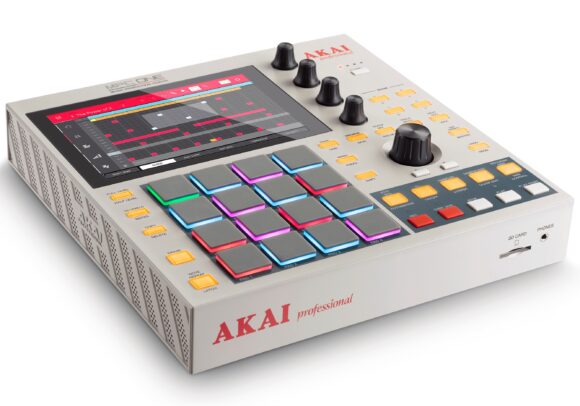
Few pieces of music equipment have had as much impact on modern music as the Akai MPC (Music Production Center). From shaping hip-hop in the late ’80s to powering modern standalone production workflows, the MPC has become a legendary tool used by producers worldwide.
In this article, we’ll explore the history of the Akai MPC, its most important models, and the features that made it an industry standard.
What Is the Akai MPC?
The Akai MPC is a hardware sampler and sequencer that allows users to:
- Chop and manipulate audio samples
- Program drum patterns using pads
- Sequence full tracks
- Produce complete songs without a computer
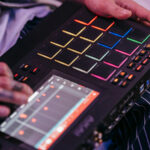
Its signature 16 velocity-sensitive pads and intuitive workflow made it a favorite among beatmakers.
The Origins – Late 1980s Revolution
The MPC story begins in 1988 with the release of the Akai MPC60, designed by legendary engineer Roger Linn.
Key Innovations:
- Built-in sequencer + sampler
- Swing (groove) function
- Pad-based performance
The MPC60 introduced a new way of making music—more hands-on, rhythmic, and human compared to traditional sequencers.
The Golden Era of MPC (1990s – Early 2000s)
During the 1990s, MPC units became the backbone of hip-hop production.
Akai MPC3000
- Improved sound quality
- Faster workflow
- Considered one of the best-sounding MPCs ever
Widely used by producers like J Dilla and DJ Premier.
Akai MPC2000 & Akai MPC2000XL
- More affordable
- Expanded memory
- Improved editing features
These models brought MPCs to a wider audience and became studio staples.
The Rise of Digital Integration (2000s)
As computers became more powerful, MPCs evolved.
Akai MPC1000
- Compact and portable
- Affordable entry point
- Popular among bedroom producers
Akai MPC2500
- Larger screen
- More connectivity
- Advanced sequencing options
Akai MPC4000
- High-end model
- Advanced synthesis features
- Hard drive support
Modern Era – Standalone Power (2010s – Present)
Akai redefined the MPC with standalone systems that combine hardware and software.
Akai MPC Live
- Battery-powered
- Touchscreen interface
- Standalone DAW-like workflow
Akai MPC X
- Large screen
- Multiple I/O options
- Studio centerpiece
Akai MPC One
- Affordable
- Powerful
- Ideal for modern producers
Akai MPC Key 61
- Built-in keyboard
- Advanced instruments
- Combines MPC workflow with traditional playing
Key Features Across MPC Models
Despite evolution, core MPC features remain consistent:
🎛️ Pads
- 16 velocity-sensitive pads
- Real-time performance
- Finger drumming
🎚️ Sequencer
- Step and real-time recording
- Swing/groove control
- Pattern-based workflow
🎧 Sampling
- Chop samples into slices
- Time-stretch and pitch-shift
- Resample internally
🖥️ Standalone Capability (Modern MPCs)
- No computer required
- Built-in instruments and effects
- Touchscreen interface
MPC Workflow – Why It’s Unique
The MPC workflow is different from traditional DAWs:
- Pattern-based sequencing
- Loop-focused creation
- Hands-on performance
- Minimal mouse interaction
This makes it especially popular for:
- Hip-hop
- Trap
- Lo-fi
- Electronic music
- Live performance
Technical Specifications Overview
While specs vary by model, here are common features:
Older MPCs:
- Limited RAM (2–128 MB)
- Floppy disks / CF cards
- Basic displays
Modern MPCs:
- Multi-core processors
- GBs of RAM
- Touchscreens
- USB, MIDI, CV/Gate connectivity
- Internal storage + SSD support
MPC vs DAW – Hardware vs Software
MPC Advantages:
- Tactile workflow
- Focused environment
- Creative limitations
DAW Advantages:
- Unlimited tracks
- Advanced editing
- Plugin ecosystem
Many producers use both together.
Why the MPC Is Still Relevant
Even today, the MPC remains influential because:
- It encourages creativity through limitations
- It offers a unique groove and timing feel
- It bridges performance and production
Modern MPCs combine the best of both worlds—hardware feel with software power.
The Akai MPC is more than just a piece of gear—it’s a cornerstone of modern music production. From the Akai MPC60 to today’s standalone systems, it has shaped how music is created, performed, and experienced.
Whether you’re a beginner or an experienced producer, understanding the MPC means understanding a huge part of music production history.