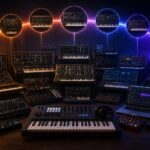
Analog synthesizers have shaped the sound of modern music for decades. From warm basslines and lush pads to aggressive leads, their unmistakable character continues to inspire producers across genres—from techno and house to hip-hop and cinematic music.
In this article, we’ll explore some of the most popular analog synthesizers and what makes each of them unique.
What Makes Analog Synths Special?
Unlike digital synths, analog synthesizers generate sound using electrical circuits.
This results in:
- Warm, rich tones
- Subtle imperfections and movement
- Natural saturation
- Organic feel
These qualities are often described as “alive” compared to clean digital sounds.
1. Moog Minimoog Model D
One of the most iconic synthesizers ever made.
Characteristics:
- Thick, powerful bass
- Smooth filters
- Classic analog warmth
Used by countless artists across genres, it’s a benchmark for analog sound.
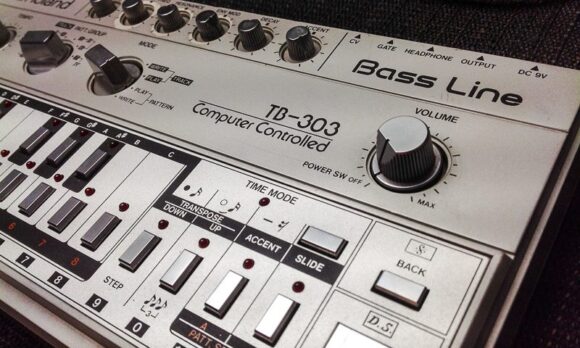
2. Roland TB-303
A legendary synth that defined acid house.
Characteristics:
- Squelchy, resonant sound
- Unique filter behavior
- Signature acid basslines
Its sound became the foundation of entire electronic genres.
3. Roland Juno-106
A classic polyphonic synth loved for its simplicity and lush sound.
Characteristics:
- Warm pads
- Built-in chorus effect
- Easy-to-use interface
Perfect for chords, pads, and retro sounds.
4. Sequential Prophet-5
One of the first programmable polyphonic synths.
Characteristics:
- Rich, vintage tone
- Flexible sound design
- Iconic 80s sound
Still widely used in modern productions.
5. Korg MS-20
A unique and aggressive analog synth.
Characteristics:
- Raw, gritty sound
- Patchable semi-modular design
- Distinctive filters
Great for experimental and industrial sounds.
6. Moog Sub 37
A modern take on classic Moog design.
Characteristics:
- Deep bass
- Powerful modulation
- Modern features with analog warmth
Ideal for both studio and live use.
7. Behringer Model D
An affordable clone of the Minimoog.
Characteristics:
- Classic Moog-style sound
- Budget-friendly
- Great for beginners
Brings analog sound to a wider audience.
8. Arturia MiniBrute
A modern analog synth with aggressive character.
Characteristics:
- Brute Factor distortion
- Strong, edgy sound
- Hands-on controls
Popular in techno and experimental music.
9. Dave Smith Prophet Rev2
A modern polyphonic analog synth.
Characteristics:
- Rich pads and textures
- Advanced modulation
- Versatile sound design
A modern evolution of the Prophet line.
10. Elektron Analog Four
A powerful analog synth with sequencing capabilities.
Characteristics:
- Built-in sequencer
- Deep modulation
- Complex sound design
Great for live performance and electronic production.
Analog vs Digital Synths
Analog:
- Warm and organic
- Limited but characterful
- Hands-on workflow
Digital:
- Clean and precise
- More flexible
- Often cheaper
Many producers use both for different purposes.
Why Analog Synths Are Still Popular
Despite modern digital tools, analog synths remain relevant because:
- They have a unique sonic character
- They encourage hands-on creativity
- They offer limitations that inspire better ideas
Who Should Use Analog Synths?
Analog synths are ideal for:
- Electronic music producers
- Sound designers
- Live performers
- Anyone looking for a unique sound
However, they are not required to make professional music.
Analog synthesizers are more than just instruments—they are part of music history. Their sound, workflow, and character continue to influence modern production.
Whether you own a real analog synth or use software emulations, understanding these classic instruments will help you make better music.