Learning music production has never been more accessible—and more overwhelming. In 2026, you have unlimited tutorials, courses, plugins, and tools at your fingertips. But having access to everything doesn’t guarantee progress.
The real challenge is knowing how to learn effectively, not just what to learn.
In this article, you’ll discover the most effective strategies to learn music production faster, smarter, and with real results.
Why Learning Production Feels Hard Today
Modern producers face unique challenges:
- Too much information
- Endless plugin choices
- Comparison with professionals
- Lack of clear direction
Without a structured approach, it’s easy to feel stuck.
1. Focus on One DAW First
Jumping between DAWs slows your progress.
Choose one:
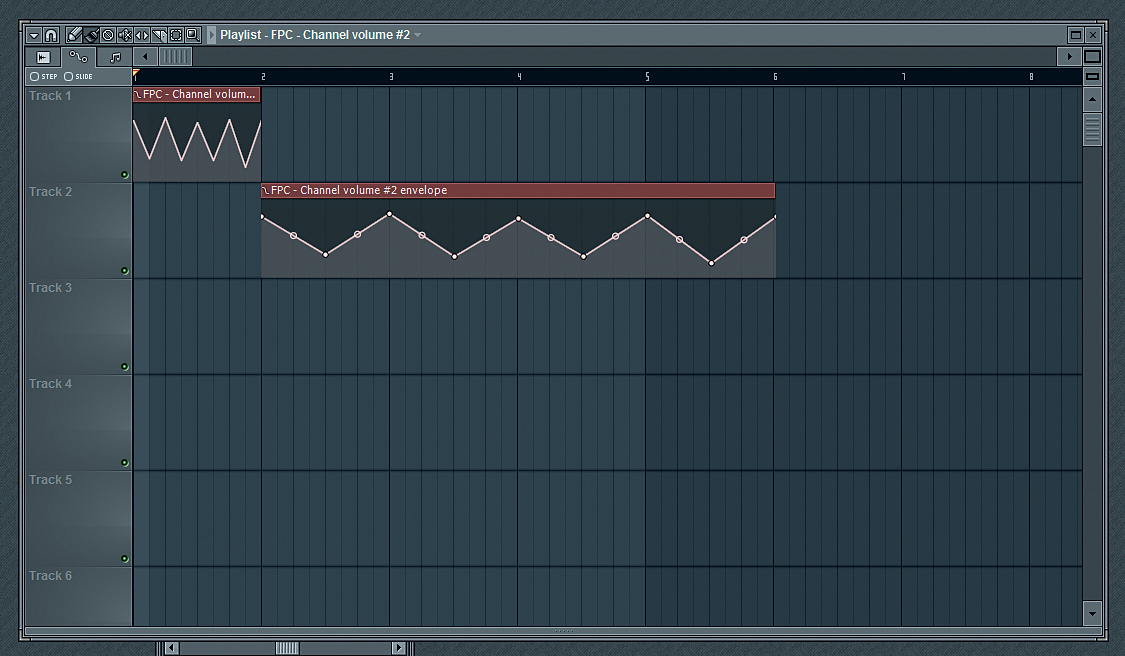
- FL Studio
- Ableton Live
- Logic Pro
Learn it deeply before switching.
Why it matters:
- Faster workflow
- Better understanding
- Less confusion
2. Learn the Fundamentals First
Before advanced techniques, master the basics:
- Arrangement
- EQ
- Compression
- Gain staging
- Basic music theory
These skills matter more than any plugin.
3. Learn by Doing (Not Just Watching)
Watching tutorials is not enough.
Instead:
- Recreate what you learn
- Build your own versions
- Experiment immediately
Action is what turns knowledge into skill.
4. Limit Your Tools
Too many plugins = slower learning.
Start with:
- Stock DAW plugins
- One synth
- Basic effects
Constraints improve focus and understanding.
5. Finish Tracks Regularly
Many beginners start projects—but don’t finish them.
Finishing teaches:
- Arrangement
- Mixing decisions
- Workflow discipline
Even bad tracks are valuable if they’re finished.
6. Use Reference Tracks
Reference tracks help you:
- Understand structure
- Improve balance
- Learn genre standards
Analyze, don’t copy.
7. Break Learning Into Phases
Instead of learning everything at once:
Phase 1:
- Basics of DAW
- Simple beats
Phase 2:
- Arrangement
- Sound design
Phase 3:
- Mixing and polishing
Structure reduces overwhelm.
8. Build a Daily or Weekly Routine
Consistency beats intensity.
Example:
- 1 hour per day
- 3 focused sessions per week
Regular practice leads to faster progress than occasional long sessions.
9. Accept Slow Progress
Music production is a long-term skill.
Expect:
- Frustration
- Mistakes
- Slow improvement
Progress is often invisible at first—but it compounds over time.
10. Learn From Feedback
Share your work:
- With other producers
- In online communities
- With friends
Feedback helps you:
- Spot mistakes
- Improve faster
- Gain perspective
11. Study Tracks You Love
Reverse-engineer music:
- Structure
- Sound selection
- Energy flow
This is one of the fastest ways to learn.
12. Avoid Comparison Trap
Comparing yourself to professionals kills motivation.
Remember:
- They have years of experience
- You are in the learning phase
Focus on improving your own skills.
13. Invest in Education (When Ready)
Free content is great, but:
- Courses provide structure
- Mentorship accelerates growth
Invest when you know your direction.
Common Learning Mistakes
- Watching too many tutorials
- Not practicing enough
- Switching DAWs frequently
- Downloading too many plugins
- Not finishing projects
Avoiding these mistakes speeds up your progress.
Learning music production in 2026 is not about having the best tools—it’s about having the right strategy. By focusing on fundamentals, practicing consistently, and avoiding distractions, you can build real skills and develop your own sound.
The most important rule:
Create more than you consume.