
Every year, a handful of songs dominate streaming platforms, radio stations, and social media. Some become global anthems, reaching hundreds of millions—or even billions—of plays. But are these songs simply lucky, or do they share common characteristics?
While there is no guaranteed formula for creating a hit, the biggest pop songs often follow similar principles in songwriting, production, arrangement, and marketing. Understanding these patterns can help producers and songwriters create music that connects with listeners without sacrificing creativity.
In this article, we’ll explore the key ingredients behind many successful pop records.
There Is No Magic Formula
Before diving into production techniques, it’s important to understand one thing:
No producer can guarantee a hit.
Music is influenced by:
- Timing
- Culture
- Marketing
- Artist popularity
- Social media trends
- Emotional connection
However, many successful songs use similar production strategies that increase their chances of connecting with audiences.
1. A Strong Hook Comes First
The hook is the most memorable part of the song.
It could be:
- A vocal melody
- A catchy lyric
- A synth riff
- A rhythm
- A combination of all four
Great hooks are:
- Easy to remember
- Easy to sing
- Instantly recognizable
If listeners remember one thing after hearing your song once, it’s usually the hook.
2. Simplicity Wins
One common mistake among beginner producers is making songs too complicated.
Most successful pop records use:
- Simple chord progressions
- Memorable melodies
- Clear arrangements
- Repetitive motifs
Simple doesn’t mean boring.
It means accessible.
3. The Arrangement Keeps Evolving
Even though pop songs repeat sections, they rarely feel repetitive.
Producers constantly introduce small changes:
- New percussion
- Vocal harmonies
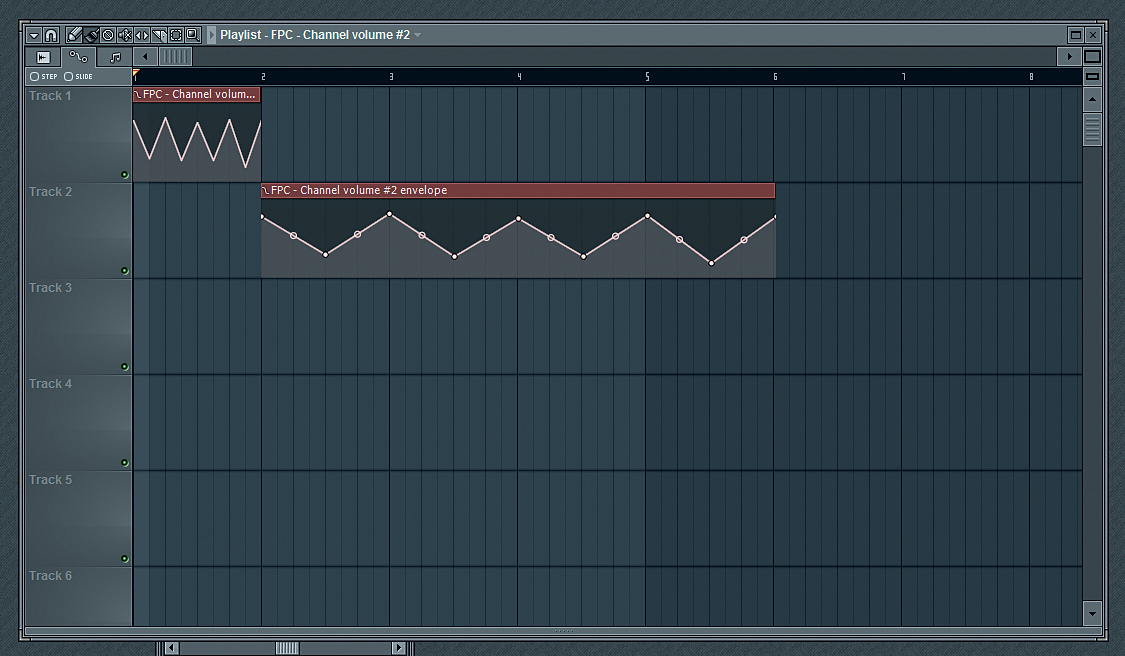
- Automation
- Background textures
- FX transitions
- Instrument layering
Tiny variations keep listeners engaged.
4. Every Element Has a Purpose
Professional productions rarely include unnecessary sounds.
Each instrument contributes something unique:
- Rhythm
- Harmony
- Melody
- Texture
- Emotion
If a sound doesn’t improve the song, it’s often removed.
5. Emotion Always Comes First
Listeners don’t remember technical perfection.
They remember how a song made them feel.
Successful pop songs often communicate:
- Joy
- Nostalgia
- Love
- Heartbreak
- Hope
- Empowerment
Production serves the emotion—not the other way around.
6. Vocals Are the Main Focus
In pop music, vocals usually take center stage.
Professional productions prioritize:
- Clear recordings
- Strong performances
- Balanced processing
- Intelligible lyrics
Supporting instruments create space instead of competing with the vocal.
7. Dynamics Create Excitement
Great pop songs constantly build and release energy.
Common techniques include:
Verses
Smaller arrangements with fewer instruments.
Pre-Chorus
Gradual tension through automation and layering.
Chorus
Maximum energy and impact.
Bridge
A fresh musical idea before the final chorus.
These dynamic changes keep listeners emotionally invested.
8. Sound Selection Matters More Than Quantity
Professional producers often spend more time choosing sounds than adding plugins.
A great kick drum or synth patch requires far less processing than a poor one.
Quality sound selection makes mixing much easier.
9. Modern Production Is Clean and Balanced
Today’s pop productions typically feature:
- Tight low end
- Clear vocals
- Wide stereo image
- Controlled dynamics
- Polished effects
Every frequency range has its place.
10. Repetition Builds Familiarity
People enjoy music they can predict.
Successful songs repeat:
- Hooks
- Chord progressions
- Rhythms
- Lyrics
Repetition helps listeners remember the song after just one or two plays.
11. Collaboration Plays a Huge Role
Many chart-topping songs are created by teams rather than individuals.
A typical production team may include:
- Songwriters
- Producers
- Vocal producers
- Mixing engineers
- Mastering engineers
Collaboration often results in stronger ideas and better decisions.
12. Trends Matter—but Authenticity Matters More
Pop music constantly evolves.
Current trends include:
- Short intros
- Faster hook delivery
- Genre blending
- Minimal arrangements
- Organic and electronic elements combined
However, copying trends alone rarely creates lasting success.
The biggest hits usually add something personal or unexpected.
13. The First 30 Seconds Are Critical
With streaming platforms and social media, listeners decide very quickly whether to continue listening.
Modern pop songs often:
- Introduce vocals early
- Present the hook quickly
- Avoid long instrumental intros
Capturing attention immediately is more important than ever.
14. Mixing and Mastering Enhance the Song
A professional mix helps every element shine.
Good mixing provides:
- Clarity
- Balance
- Depth
- Impact
Mastering ensures the track sounds consistent across:
- Headphones
- Smartphones
- Cars
- Club systems
- Streaming platforms
Common Mistakes When Chasing a Hit
Many producers make these mistakes:
- Overcomplicating arrangements
- Using too many sounds
- Ignoring vocal quality
- Copying trends too closely
- Focusing on loudness instead of emotion
Remember:
A memorable song will always outperform a technically perfect but emotionally empty production.
Can You Learn From Hit Songs?
Absolutely.
One of the best ways to improve is by analyzing successful music.
Study:
- Song structure
- Chord progressions
- Instrumentation
- Vocal arrangements
- Energy changes
- Mixing techniques
Don’t copy—understand the principles behind the success.
The biggest pop hits aren’t created by accident. They combine memorable songwriting, thoughtful production, emotional storytelling, and careful attention to detail. While there is no guaranteed recipe for success, understanding the common characteristics of hit records can help you write stronger songs and make better production decisions.
Most importantly, remember that the goal isn’t to imitate today’s biggest artists—it’s to learn from them while developing your own creative identity.
After all, the next great pop hit won’t sound exactly like the last one. It will offer something familiar enough to connect with listeners, yet original enough to be unforgettable.