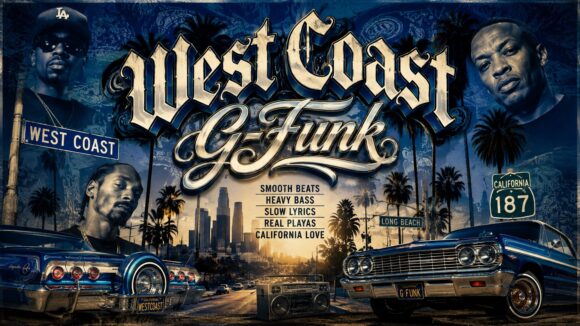
The classic West Coast O.G. (Original Gangster) sound is one of the most recognizable and enduring aesthetics in hip-hop history. Pioneered by legends like Dr. Dre, DJ Quik, and Battlecat in the 1990s, this style—often referred to as G-Funk—blends heavy, slow-rolling funk grooves with laid-back California melodies. Making an O.G. type beat means capturing that effortless, sunshine-meets-street-grit vibe.
Here is your step-by-step production guide to crafting an authentic West Coast G-Funk anthem.
1. Lock In the Laid-Back, Cruising Tempo
O.G. beats are designed to be played in a lowrider cruising down the highway. The tempo needs to feel relaxed, smooth, and steady.
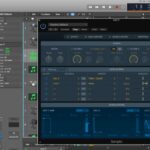
- The Target Tempo: Set your DAW project tempo between 90 and 96 BPM.
- The Groove: Keep the rhythm tight and straight on the digital grid, but add a very subtle swing to the hi-hats to replicate the feel of vintage Akai MPC hardware samplers.
2. Choose Iconic G-Funk Sound Elements
The instrumentation of an O.G. beat is highly specific. To get this sound right, you need to channel 1970s funk records by bands like Parliament-Funkadelic.
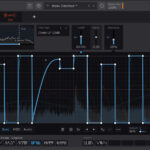
- The G-Funk Lead Synth: This is the absolute signature element. Use a high-pitched, monophonic sawtooth synth lead with the portamento (glide) turned up high. This creates that iconic, whistling “West Coast whine.”
- The Keyboards: Layer smooth, soulful Fender Rhodes electric piano chords or a subtle, rhythmic clavinet groove.
- The Guitars: Add a clean electric guitar playing muted, rhythmic “wah-wah” or funky strummed chords on the off-beats.
3. Program a Smooth, Rolling Drum Pattern
Unlike modern trap beats with frantic hi-hat rolls, an O.G. drum pattern is minimalist, repetitive, and deeply grooving.
- The Kick: Pick a warm, punchy acoustic kick drum. Keep the pattern simple, letting it hit heavily on the first beat of each bar.
- The Snare & Clap: Layer a crisp, organic acoustic snare with a classic electronic handclap. Place it firmly on the 2 and 4 beats.
- The Off-Beat Percussion: Use standard eighth-note hi-hats, but inject the ultimate West Coast flavor: a sharp, metallic rimshot, triangle, or woodblock hit on the off-beats.
4. Write a Thick, Funky Bassline
In G-Funk, the bassline is often the most important melodic element of the entire track. It needs to be heavy, bouncy, and deeply rhythmic.
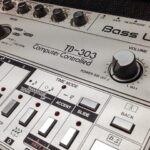
- The Sound: Use a warm, fat analog synthesizer bass (like a classic Moog Minimoog patch) with a slightly filtered low-pass tone.
- The Technique: Write a continuous, walking bassline that slides smoothly between notes. Let it dance around the root notes of your chord progression, leaving a massive low-end pocket for the kick drum.
5. Arrange for Smooth, Hypnotic Loops
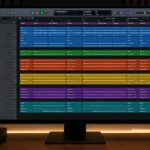
An O.G. beat relies on hypnotic repetition rather than dramatic, sudden beat switches. The arrangement should feel like a continuous, effortless loop.
- The Intro: Start with just the rolling bassline, the drums, and a distant funk guitar lick to instantly establish the head-nodding groove.
- The Verse Pocket: Keep the arrangement clean during the verses. Let the bassline and drums carry the rhythm, dropping the high-pitched synth lead out entirely so the rapper has maximum space for a laid-back delivery.
- The Chorus Melody: Bring in the soaring whistle synth and additional vocal harmony layers during the hook to make the track blossom into a triumphant anthem.