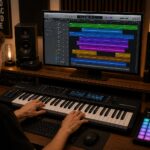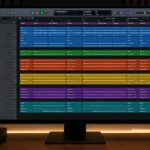
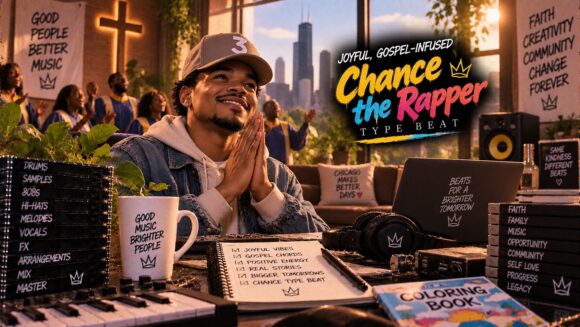
Chance the Rapper completely redefined the sound of modern hip-hop with his seminal mixtapes Acid Rap and Coloring Book. Alongside genius collaborators like Social Experiment, Donnie Trumpet, and Lido, Chance crafted a sonic universe that is vibrant, uplifting, and deeply soulful. Making a Chance the Rapper type beat means blending the infectious energy of Chicago juke and footwork with lush gospel chords, live jazz instrumentation, and pure musical optimism.
Here is your step-by-step production blueprint to creating a joyful, soul-stirring hip-hop anthem.
1. Set a Bright, High-Energy Tempo
Chance’s most iconic tracks are fast-paced, celebratory, and bouncy. The tempo needs to capture a joyful, hand-clapping energy.
- The Sweet Spot: Set your project tempo between 110 and 125 BPM (or 75 to 85 BPM for his slower, introspective gospel-soul ballads).
- The Bounce: Turn on a loose, humanizing 16th-note swing quantization to emulate the feel of a live, elite church band.
2. Stack the Sonic Ingredients of Gospel and Jazz
To get this sound right, you must move away from dark trap synths. The melody should feel expensive, warm, and rich with musicality.
- The Gospel Chords: Use a warm Fender Rhodes, an acoustic grand piano, or a classic Hammond B3 organ. Write chord progressions utilizing major 7th, minor 9th, and suspended chords to inject deep emotion and triumph.
- Live Horn Sections: This is the absolute signature element. Layer bright, triumphant trumpets, saxophones, and trombones. Use staccato horn stabs for transitions and soaring, jazzy counter-melodies during the chorus.
- Choir Vocals: Layer pitched-up, soulful choir loops or gospel vocal chants in the background to instantly give the track a grand, spiritual scale.
3. Program Soulful, Juke-Inspired Drums
The drum patterns should seamlessly bridge the gap between traditional soulful hip-hop and the frantic, syncopated rhythms of Chicago’s street dance culture.
- The Kick & Snare: Pick a warm, organic acoustic kick drum and a wide, snappy snare. Place the main snare on the 2 and 4 beats, but sprinkle in lower-velocity ghost notes to create a rolling groove.
- The Hi-Hats & Claps: Keep the hi-hats crisp and live. To mimic the Chicago juke flavor, program quick, syncopated triplet clap rolls or rimshots on the off-beats to drive the high-energy dance sections.
4. Craft a Warm, Melodic Bassline
Instead of aggressive, ground-shaking trap 808s, a Chance the Rapper track relies on live, expressive bass instrumentation that actively dances with the chords.
- The Sound: Choose a high-quality electric bass guitar emulation or a smooth, warm analog synth bass (like a classic Roland Juno patch).
- The Flow: Write a busy, walking bassline filled with syncopated rhythms, octave jumps, and slides. Let the bass carry the groove by accentuating the chord changes rather than just holding static sub-notes.
5. Arrange for Showmanship and Dynamic Climaxes
A Chance the Rapper arrangement mimics a theatrical stage performance, constantly evolving and shifting intensities to keep the listener captivated.
- The Intimate Intro: Start with a lone, beautiful piano progression or an unfiltered, naked vocal choir loop to establish the emotional foundation.
- The Explosion: Drop the full horn section, the rolling live drums, and the walking bassline all at once for a high-impact chorus that feels like a celebration.
- The Beat Switch / Breakdown: For the bridge, suddenly strip away the electronic elements. Leave just a solo trumpet, a warm organ, and a simple finger snap to create a perfect pocket for spoken-word style, introspective storytelling before a final massive climax.