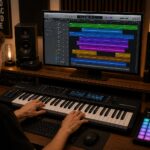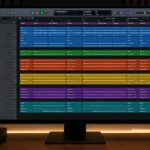

In the modern European hip-hop landscape, French rap stands out for its unique blend of gritty energy and refined, cinematic musicality. A “Lacazette type beat”—named after the hard-hitting sound tracks associated with artists who rhyme about football culture, luxury, and street grit—combines elements of dark French drill, orchestral trap, and aggressive low-end bounce.
Here is your step-by-step guide to producing a high-energy Lacazette type beat.
1. Set the Tempo and Mood
- BPM Range: Aim for a fast, driving tempo between 140 and 150 BPM.
- Scale Selection: Use the Harmonic Minor or Phrygian scale for an aggressive, cinematic feel.
- Key Choices: E minor, G# minor, or C# minor work perfectly for a tense mood.
2. Compose a Cinematic, Dramatic Melody
French rap beats often sound like the soundtrack to an action movie. They blend classical instruments with modern digital processing.
- Orchestral Strings: Start with a staccato violin or cello pattern playing a fast, repetitive riff.
- Grand Piano: Layer dark, heavy lower-octave piano chords to establish the foundation.
- Choir Pads: Add an ominous church choir pad in the background to increase the sense of drama.
- Brass Hits: Use powerful orchestral brass stabs on the first beat of every few bars to create impact.
3. Program a Fast-Paced Drum Section
The rhythm needs to bridge the gap between heavy trap and UK/French drill patterns.
- The Counter-Snare: Instead of a traditional trap clap, use a sharp, metallic snare placed on the 3rd beat, with extra ghost notes scattered around.
- Skipping Hi-Hats: Use a fast-paced hi-hat pattern filled with 1/16 and 1/32 triplet rolls to keep the energy high.
- Percolating Rimshots: Add syncopated wood blocks or rimshots to give the track a modern European bounce.
4. Layer the Aggressive Low End
The low end in French rap must be overwhelming but perfectly controlled so it doesn’t muddy the mix.
- Gliding 808s: Use a long, distorted 808 bassline and utilize aggressive pitch slides going up 1 or 2 octaves.
- Hard-Hitting Kick: Layer a punchy, clicky acoustic kick drum directly on top of the 808 notes.
- Low Cut EQ: Cut everything below 30Hz on the master track to save headroom for the massive bass.
5. Structure for Maximum Energy
The arrangement should mimic the intensity of a football match, constantly building tension and releasing it.
- Intro (8 Bars): Start with just the staccato strings and filtered piano to build anticipation.
- The Build-Up (4 Bars): Introduce the hi-hat rolls and a rising riser effect.
- The Drop / Chorus (16 Bars): Bring in the full power of the heavy 808, the kick, and the brass stabs.
- The Verse (16 Bars): Remove the heavy strings and high-pitched counter-melodies so the rapper can deliver fast, uninterrupted bars.