
Peja (Slums Attack) is an absolute pillar of Polish hip-hop history. His legendary signature sound—cemented on classic albums like Na legalu? and Szacunek ludzi ulicy—is the definition of raw, uncompromising European boom-bap. Spearheaded by master producers like DJ Decks, a Peja type beat blends the unfiltered street grit of classic 90s New York hip-hop with melancholic, emotional European samples.
Here is your step-by-step production blueprint to crafting a heavy, head-nodding street anthem.
1. Lock In the Classic True-School Tempo
A Peja beat requires a solid, deliberate pace that allows for heavy storytelling, aggressive bars, and a classic street delivery.
- The Target Tempo: Set your DAW project tempo strictly between 88 and 95 BPM.
- The MPC Bounce: Turn on a strong 16th-note swing quantization (around 54% to 58%) to replicate the organic, unquantized feel of classic Akai MPC hardware samplers.
2. Sample Melancholic and Dramatic Melodies
The core emotion of this style is a mix of street pride and cold reality. The music should sound like a rainy evening in an urban landscape.
- Sound Selection: Look for dramatic, minor-key classical string loops (violins and cellos), melancholic grand piano riffs, or soulful, vintage European movie soundtrack samples.
- The Vinyl Texture: If you are using modern VSTs instead of real vinyl crates, use bitcrushers, vinyl crackle loops, and tape saturation to strip away digital perfection and add a dusty warmth.
3. Program Raw, Hard-Hitting Vinyl Drums
Your drum sounds must feel unpolished, heavy, and upfront. They should sound like they were sampled directly from 1970s funk or rock drum breaks.
- The Kick: Pick a warm acoustic kick drum with a massive mid-range thud. Keep the pattern simple but driving, letting it hit heavily to anchor the head-nod.
- The Snare: Use a loud, dry, and cracking acoustic snare that snaps perfectly on the 2 and 4 beats. Avoid digital claps or modern trap snares entirely.
- The Hi-Hats: Use live, loose acoustic hi-hats. Keep the pattern straightforward with standard eighth notes, but vary the velocities of every hit to create a natural, human performance.
4. Layer a Deep, Filtered Bassline
A Peja type beat does not use modern electronic 808 glides. The low end is all about warm, heavy, and muddy low frequencies that lock in with the drums.
- The Tone: Use a high-quality upright bass patch or a muted, vintage electric bass guitar emulation.
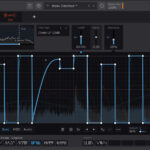
- The Filter Trick: If you are sampling, copy your main melody loop to a separate track, apply a steep low-pass filter to cut out everything above 80Hz to 100Hz, and turn up the volume to create a heavy bassline out of the original sample.
5. Arrange for Street Drama and Scratched Hooks
The arrangement must feel urgent and structured, building tension up to a definitive chorus section.
- The Intro: Start with a movie dialogue sample, a heavy vinyl crackle, or a lone piano riff to instantly establish a raw, cinematic street mood for 4 to 8 bars.
- The Verse Pocket: Keep the verses clean and repetitive. Drop out any distracting counter-melodies or loud string lines, leaving just the core loop, bassline, and heavy drums so the lyricist has maximum space.
- The Scratched Chorus: Peja tracks famously utilize turntablism for the hook. Find classic rap vocal acapellas, cut up a 4-word phrase, and stutter the words over a simple scratched rhythm during the chorus sections to give it an authentic, true-school finish.