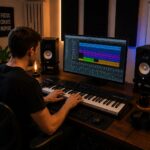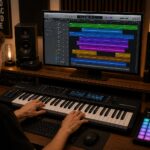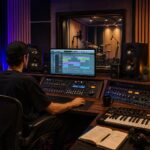
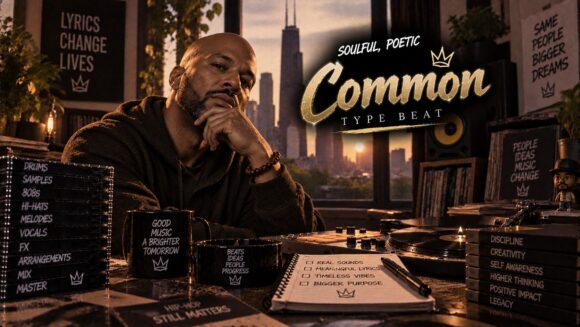
Common is one of hip-hop’s greatest storytellers, known for his conscious lyricism, poetic delivery, and deep musicality. His sonic blueprint—crafted alongside legendary producers like J Dilla, Kanye West, and No I.D.—revolves around vintage soul samples, warm live-sounding basslines, and dusty boom-bap rhythms. Making a Common type beat means capturing the essence of Chicago’s soul-hop scene: it should feel warm, nostalgic, inspiring, and deeply emotional.
Here is your step-by-step production blueprint to creating a classic, soul-stirring hip-hop instrumental.
1. Dial In the Head-Nodding Soul Tempo
Common’s tracks require a steady, relaxed pace that allows for thought-provoking lyrics and a rhythmic, poetic flow.
- The Target Tempo: Set your DAW project tempo between 88 and 96 BPM.
- The MPC Groove: Apply a loose 16th-note swing quantization (around 54% to 58%) to pull your drum hits slightly off the rigid digital grid, replicating the human feel of vintage hardware samplers.
2. Dig for Vintage Soul and R&B Samples
The absolute core of a Common beat is the musicality of the loop. The melody must evoke instant nostalgia, warmth, and emotion.
- Sound Selection: Look for 1970s soul records featuring lush string arrangements, smooth vocal harmonies, warm grand pianos, or elegant horn loops.
- The J Dilla Chop Technique: Instead of looping a whole bar straight, slice your sample into quarter-note fragments. Re-arrange those slices to create a brand-new, hypnotic chord progression. Pitch the entire sample up by 1 or 2 semitones to give it that classic, warm “chipmunk soul” texture favored on albums like Be.
3. Program Dusty, Organic Boom-Bap Drums
Your drum sounds must feel unpolished, unquantized, and warm. They should sound like they were sampled directly off a vintage funk record.
- The Kick: Use an acoustic, round kick drum with a lot of low-end body. Place a lower-velocity “ghost kick” right before your main snare downbeat to add a human bounce.
- The Snare: Choose a dry, cracking woodblock-style or acoustic snare with a bit of vinyl hiss left on the tail. Place it squarely on the 2 and 4 beats.
- The Hi-Hats: Use live, loose acoustic hi-hats. Keep the pattern simple with an eighth-note rhythm, but vary the velocities of every hit to create a natural, drummer-like performance.
4. Layer a Warm, Rolling Bassline
Instead of aggressive electronic synth bass or modern trap 808s, this style relies on deep, expressive, and melodic bass instrumentation.
- The Sound: Use a high-quality upright bass patch or a warm, muted Fender Jazz Bass guitar emulation.
- The Pattern: If your sample doesn’t already have a clean bassline, write a rolling 2-bar bass loop that actively counter-melodies the main chords. Let the notes slide smoothly (legato) to anchor the soulful groove.
5. Arrange for Dynamics and Emotional Impact
A Common instrumental needs to follow a traditional storytelling structure, building up layers to highlight the emotional peaks of the track.
- The Naked Intro: Start with just your main vocal sample or piano loop with a subtle vinyl crackle filter. Let the listener connect with the music for 4 to 8 bars before the drums drop.
- The Verse Pocket: Keep the arrangement incredibly clean during the verses. Drop out any distracting vocal chops or loud horn lines, leaving just the core loop, bassline, and drums so the rapper has plenty of space for storytelling.
- The Triumphant Chorus: For the hook, re-introduce the pitched-up soul vocal chops, soaring strings, or a live trumpet counter-melody to make the entire track blossom into a grand, inspiring anthem.