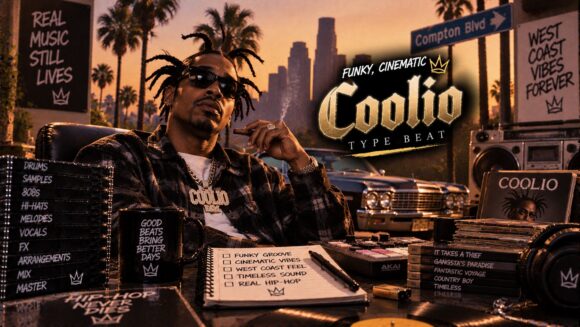
The late, great Coolio was a defining force in West Coast hip-hop, seamlessly bridging the gap between raw street narratives and global pop chart success. His signature sound—pioneered on timeless classics like Gangsta’s Paradise and Fantastic Voyage—splits into two distinct styles: dark, dramatic orchestration and sun-drenched, high-energy G-Funk. Production-wise, making a Coolio type beat means combining heavy, steady hip-hop rhythms with deeply memorable melodic hooks.
Here is your step-by-step production guide to capturing that legendary mid-90s West Coast aesthetic.
1. Lock In the Steady Mid-Tempo Groove
Coolio’s tracks rely on a deliberate, driving pace. The tempo needs to be slow enough to feel heavy and cinematic, but fast enough to maintain a danceable club bounce.
- The Target Tempo: Set your project tempo between 80 and 95 BPM.
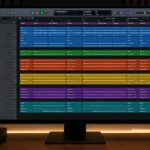
- The Quantization: Keep your main drums rigidly locked to the grid to enforce a steady, head-nodding march. Turn down the swing on the main elements to maintain a solid, loop-heavy foundation.
2. Choose Between Dramatic Choir Chords and 70s Funk Loops
Depending on which era of Coolio you want to capture, your sound selection will follow one of two paths:
- The Cinematic/Dark Route (Gangsta’s Paradise Style): Look for haunting, minor-key synthesizer choir pads, dark orchestral string staccatos (violins and cellos), and a melancholic grand piano loop.
- The G-Funk/Party Route (Fantastic Voyage Style): Sample or recreate 1970s funk records. Layer bright, rhythmic electric guitar plucks, funky “wah-wah” pedals, and smooth Fender Rhodes electric pianos.
3. Program Raw, Loud, and Punchy Boom-Bap Drums
The drums must sound like they were sampled directly from vintage funk vinyl drum breaks. They need to be gritty, upfront, and prominent in the mix.
- The Kick: Pick a warm, acoustic-leaning kick drum with a lot of mid-range thud. Keep the rhythm simple, letting it drive the track forward.
- The Snare: Use a loud, cracking snare that snaps perfectly on the 2 and 4 beats. Add a subtle layer of vinyl hiss or room reverb to the snare tail to give it an authentic 90s analog texture.
- The Hi-Hats & Shakers: Use a straightforward eighth-note hi-hat pattern. Layer an organic shaker or a tambourine loop on the off-beats to inject a continuous, rolling movement into the groove.
4. Layer a Deep, Walking Bassline
Instead of modern sliding trap 808s, a Coolio type beat relies on heavy, melodic bass instrumentation that defines the entire groove of the song.
- The Sound: Use a deep, muted electric bass guitar emulation or a warm, fat analog synthesizer bass (like a classic Moog patch).
- The Technique: Write a continuous, rolling bassline that dances around the root notes of your chord progression. Ensure the bass locks in perfectly with the rhythm of your kick drum to anchor the pocket.
5. Arrange for Theatricality and Massive Vocal Hooks
Coolio beats are built to support unforgettable choruses. The arrangement must build maximum tension before exploding into the hook.
- The Atmospheric Intro: Start with just the naked melody—whether it is a solo string loop, a choir pad, or a vintage funk guitar lick—for 4 to 8 bars to instantly set the mood.
- The Verse Pocket: Strip the beat down during the verses. Drop out the heavy choirs or high synth lines, leaving just the core bassline, chord loop, and hard-hitting drums so the rapper has plenty of space for a rhythmic delivery.
- The Chorus Explosion: For the hook, bring back every melodic layer and introduce a soaring counter-melody—such as an operatic vocal line or a classic high-pitched West Coast synth whistle—to make the section feel grand, anthemic, and unforgettable.