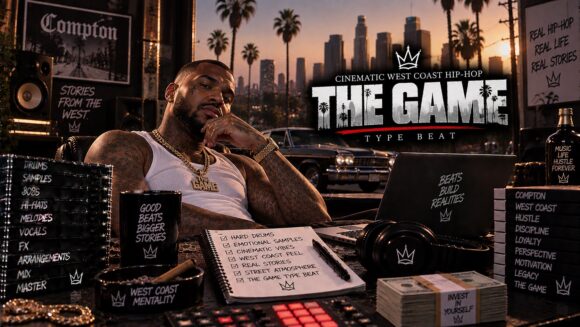
Compton rap icon The Game (Jayceon Taylor) has maintained a legendary career by bridging different eras of hip-hop. From his classic, multi-platinum debut The Documentary—crafted under the mentorship of Dr. Dre and 50 Cent—to his modern, sample-heavy masterpieces like Drillmatic produced alongside Hit-Boy, his sound is a powerful institution. A “The Game type beat” combines the soulful depth of classic boom bap, the menacing swagger of West Coast G-Funk, and the hard-hitting low end of modern cinematic trap.
Here is your definitive production guide to making a cinematic West Coast hip-hop beat worthy of the Compton legend.
1. Establish a Confident, Mid-Tempo Groove
Unlike fast-paced club trap or slow underground ballads, beats for The Game maintain an authoritative, head-nodding bounce that allows for his signature name-dropping, aggressive lyrical delivery.
- BPM Range: Set your project between 88 and 100 BPM (or double-time at 176 to 200 BPM for a modern trap workflow).
- Scale Selection: Use Natural Minor for dark street anthems, or Harmonic Minor to capture a dramatic, high-stakes soundscape.
- Key Choices: D minor, E minor, or C minor provide excellent deep frequencies for the low end.
2. Source or Chop Orchestral & Soulful Samples
The cornerstone of a great beat for The Game is the choice of sample. Producers like Dr. Dre, Just Blaze, Cool & Dre, and Hit-Boy heavily rely on dramatic orchestration or vintage soul flips.
- Cinematic String Sections: Begin with sharp staccato violins or emotional orchestral string phrases playing a minor chord progression.
- Soul Loops & Vocal Chops: Source 1970s soul records containing pitched-up vocal harmonies, a smooth electric guitar riff, or warm Rhodes keys.
- West Coast Leads: To add a classic G-Funk accent, layer a subtle, high-pitched monophonic sine wave synthesizer synth lead gliding across your choruses.
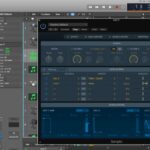
- Vintage Processing: Apply saturation and subtle pitch wow-and-flutter (using plugins like RC-20 Retro Color or SketchCassette) to make digital samples sound like they were ripped straight off a dusty vinyl record.
3. Program Aggressive, Hard-Hitting Drums
The drums need to hit with immense impact, striking a balance between an acoustic boom bap snap and modern trap sharpness.
- The Snare/Clap Combo: Layer a loud, organic rock snare with a sharp trap clap precisely on beats 2 and 4. The snare should have plenty of mid-range “crack” and a touch of room reverb.
- Punchy Kicks: Use a heavy, acoustic-sounding kick drum sample with a lot of punch in the 60Hz–80Hz range. Program a bouncy, syncopated rhythm that drives the momentum forward.
- Crisp, Driving Hi-Hats: Lay down a solid 8th-note hi-hat pattern. Instead of hyper-fast trap rolls, use brief, tight 1/16 triplet rolls at the end of every 4th or 8th bar to humanize the swing.
4. Layer a Deep, Grooving Low End
The low end must be thick and commanding without drowning out the mid-range instruments.
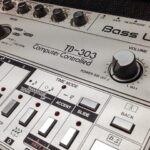
- The 808/Sub Choice: Use a warm, saturated, mid-length 808 bass sample (like a classic Zaytoven or Lex Luger 808).
- Electric Bass Transitions: When transitioning from a verse to a chorus, consider swapping out the synthetic 808 for a grooving electric bass guitar loop to emulate the legendary live-instrumentation aesthetic of Dr. Dre.
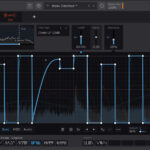
- Sidechaining: Ensure you sidechain your 808 or sub-bass to the kick drum. This pulls down the bass frequencies for a millisecond every time the kick drum hits, giving the drum section maximum chest-thumping clarity.
5. Arrange for Cinematic Storytelling
The Game is a master of structural endurance, frequently performing long, multi-verse tracks. Your arrangement must keep the listener completely locked in.
- Intro (8 Bars): Start with just your main soulful sample or string loop filtered down, layered with a cinematic riser or an iconic movie dialogue snippet.
- The Hook / Chorus (8-16 Bars): Let the full energy drop—bring out the sliding 808s, the crisp hi-hat rolls, sweeping vocal samples, and the high-pitched West Coast synth lead.
- The Verse (16 Bars): Drop out the heavy string melodies, the G-Funk synth, and the kick drum for the first 4 bars to let his vocal presence take center stage. Slowly build the drums back up over the remainder of the verse.
- Outro (8 Bars): Let the drum section completely fade away, leaving the main orchestral loop and vintage vinyl crackle to trail off into dramatic silence.