
Why do some pop songs disappear after a few weeks while others become global hits that millions of people listen to again and again?
There is no guaranteed formula for creating a hit song. Music is influenced by culture, timing, trends, marketing, artist popularity, and sometimes simple luck. However, when we analyze successful pop records, certain patterns begin to appear.
The biggest pop hits often share common characteristics: memorable hooks, simple but effective songwriting, strong emotional themes, carefully controlled dynamics, excellent vocal production, and arrangements designed to keep the listener engaged.
For music producers and songwriters, understanding these elements can provide valuable insight into how successful pop music is created.
Let’s take a closer look at the most common characteristics behind some of the world’s biggest pop hits.
1. A Memorable Hook Is at the Center of the Song
Almost every successful pop song has something that listeners can remember after hearing it only once or twice.
This is the hook.
A hook can be:
- A vocal melody
- A memorable lyric
- A synth riff
- A guitar pattern
- A rhythmic phrase
- A distinctive production element
The best hooks are usually simple enough to remember but distinctive enough to stand out.
In many modern pop productions, the main hook appears multiple times throughout the song. It may even be introduced very early to capture the listener’s attention immediately.
The goal is simple: when the song ends, the listener should still have something playing in their head.
2. Simplicity Is Often More Powerful Than Complexity
Many producers assume that professional music must be technically complicated.
In reality, some of the biggest pop hits are built around surprisingly simple ideas.
A successful song may use:
- Three or four chords
- A relatively simple drum pattern
- One main vocal melody
- A few carefully selected instruments
The complexity often comes from subtle details rather than the basic composition.
Professional producers understand that every additional element competes for the listener’s attention. Instead of filling every available space, they carefully choose sounds that support the main idea.
Simplicity allows the hook and vocal performance to remain the focus.
3. Strong Songs Create an Emotional Connection
Technical production quality is important, but listeners rarely fall in love with a song because of perfect EQ settings.
They connect with emotion.
Many successful pop songs explore universal themes such as:
- Love
- Heartbreak
- Relationships
- Freedom
- Nostalgia
- Confidence
- Loneliness
- Hope
- Personal growth
These subjects work because listeners can connect them to their own experiences.
The production then supports the emotional message.
A vulnerable song may use intimate vocals and minimal instrumentation, while an empowering anthem might feature huge drums, wide synthesizers, and energetic vocal layers.
The best production decisions strengthen the emotion already present in the songwriting.
4. The Vocal Is Usually the Most Important Element
In most mainstream pop music, the vocal is the star.
Everything else is built around it.
Professional producers carefully create space for the lead vocal by controlling:
- Instrument frequencies
- Stereo placement
- Reverb
- Delay
- Dynamics
- Arrangement density
The vocal itself may contain many layers, including:
- Lead vocals
- Doubles
- Harmonies
- Ad-libs
- Background vocals
- Vocal effects
However, even with complex vocal production, the main vocal should usually remain clear and easy to understand.
A great vocal performance can transform a relatively simple production into an unforgettable song.
5. The Arrangement Controls the Listener’s Attention
A great pop arrangement is constantly moving.
This doesn’t mean that new instruments must appear every few seconds. Instead, producers use subtle changes to maintain interest.
For example:
Intro
Introduces the atmosphere or main musical idea.
Verse
Usually keeps the arrangement relatively simple to create space for storytelling.
Pre-Chorus
Builds tension and prepares the listener for the main section.
Chorus
Delivers the primary hook and usually represents the emotional peak of the song.
Bridge
Introduces contrast and gives the listener something new before returning to the final chorus.
The exact structure can vary, but the principle remains the same: energy should evolve throughout the song.
6. Contrast Makes the Chorus Feel Bigger
A powerful chorus doesn’t always need dozens of additional instruments.
Sometimes the best way to make a chorus sound huge is to make the section before it smaller.
Producers create contrast by changing:
- Volume
- Instrumentation
- Stereo width
- Frequency content
- Rhythm
- Vocal layering
For example, a pre-chorus might remove the kick drum and reduce the bass before everything returns in the chorus.
This creates a stronger sense of impact without necessarily making the mix louder.
The perception of energy is often created through contrast.
7. Great Pop Songs Use Repetition Strategically
Repetition is one of the most powerful tools in popular music.
Listeners naturally enjoy familiar patterns.
That’s why successful songs often repeat:
- Choruses
- Melodic hooks
- Chord progressions
- Rhythmic motifs
- Important lyrics
However, effective repetition usually includes subtle variation.
A second chorus might introduce additional harmonies. The final chorus may add new percussion or vocal ad-libs.
The listener gets something familiar while still experiencing progression.
8. Sound Selection Is Extremely Important
One of the biggest differences between amateur and professional productions is often sound selection.
Experienced producers know that choosing the right sound at the beginning can eliminate the need for excessive processing later.
A well-selected kick should naturally fit with the bass.
A synth should complement the vocal instead of competing with it.
A snare should match the energy and style of the track.
Before reaching for another EQ or compressor, professional producers often ask a simpler question:
Is this actually the right sound for the song?
9. Every Element Has a Purpose
Successful pop productions are often highly detailed, but those details are carefully controlled.
Every sound should contribute something.
An element might provide:
- Rhythm
- Harmony
- Melody
- Texture
- Energy
- Atmosphere
If two instruments are performing exactly the same function without improving the song, one of them may be unnecessary.
Professional production is not about adding as many layers as possible.
It’s about choosing the right layers.
10. The Production Evolves Throughout the Song
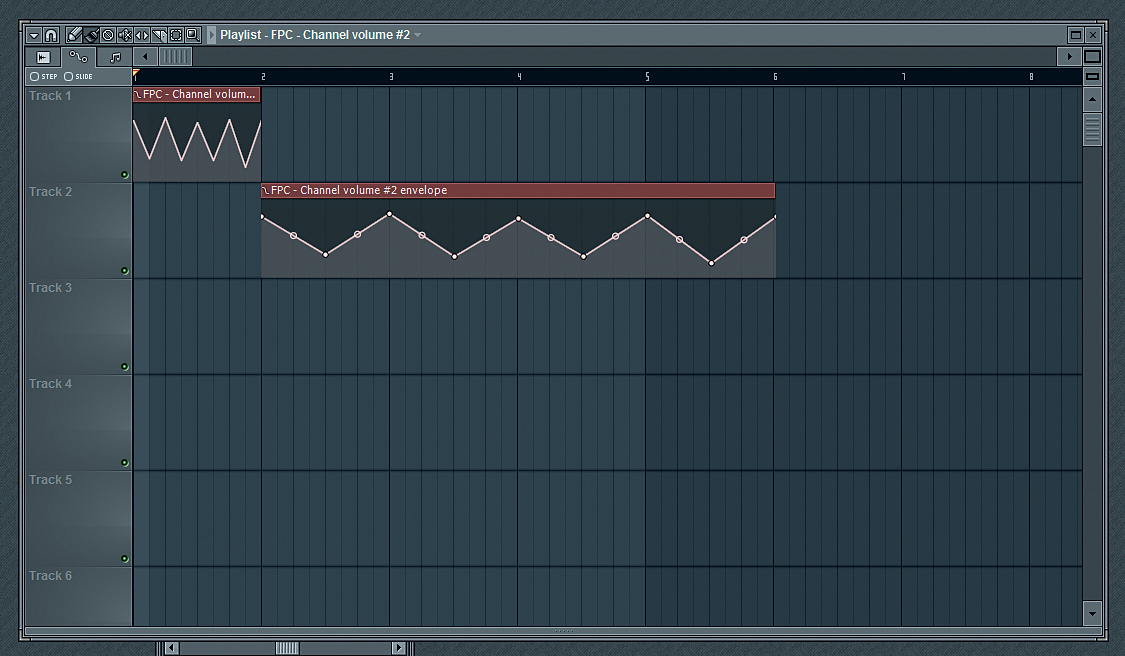
Even when the chords and melodies remain similar, the production often changes.
Producers might introduce:
- Additional percussion
- New vocal harmonies
- Automation
- Background textures
- Transition effects
- Different drum patterns
- Additional synth layers
These small changes help prevent listener fatigue.
A successful arrangement feels familiar without becoming completely predictable.
11. Professional Pop Production Pays Attention to Details
Small production details can have a surprisingly large impact.
Examples include:
- Reverse reverbs before vocals
- Short drum fills
- Vocal chops
- Risers
- Impacts
- Filter automation
- Delay throws
- Background effects
Listeners may not consciously notice these elements, but they help create movement and excitement.
This is often where professional productions gain their sense of polish.
12. The Low End Is Carefully Controlled
Modern pop music often relies heavily on powerful bass and drums.
However, powerful doesn’t mean uncontrolled.
Professional mixes carefully manage the relationship between:
- Kick
- Bass
- Sub frequencies
- Low-mid frequencies
If too many elements compete in the same frequency range, the mix can quickly become muddy.
Good low-end management creates impact while maintaining clarity.
13. Collaboration Is Often Part of the Process
Many successful pop songs are created by teams.
A modern production may involve:
- Artists
- Songwriters
- Producers
- Vocal producers
- Recording engineers
- Mixing engineers
- Mastering engineers
Each person brings a different perspective and skill set.
Collaboration can improve a song because ideas are constantly evaluated and refined.
Sometimes one person creates the original concept, while another transforms the arrangement or introduces the final hook that makes the song memorable.
14. Successful Producers Know When to Remove Elements
One of the most valuable production skills is knowing what to delete.
Beginner producers often continue adding sounds when a track feels incomplete.
Experienced producers may do the opposite.
They ask:
- Does this instrument improve the song?
- Is it competing with the vocal?
- Does the arrangement need more space?
- Would the chorus feel bigger if the verse were simpler?
Removing unnecessary elements can make the remaining sounds feel much more powerful.
15. Modern Hits Capture Attention Quickly
The way people consume music has changed dramatically.
Listeners can skip a song instantly, which means modern productions often need to establish their identity quickly.
Many contemporary pop songs use:
- Short intros
- Early vocals
- Immediate rhythmic elements
- Recognizable hooks near the beginning
This doesn’t mean every song needs to start with the chorus.
However, the listener should quickly understand the mood and identity of the track.
16. Mixing Supports the Song Instead of Showing Off
A great mix should make the song feel better without distracting from it.
Professional mixing focuses on:
- Balance
- Clarity
- Depth
- Dynamics
- Stereo imaging
- Frequency control
The goal isn’t to demonstrate how many advanced techniques the engineer knows.
The goal is to make the listener connect with the music.
If the production is strong, the mix should enhance it rather than completely transform it.
17. Mastering Provides the Final Polish
Mastering is the final technical stage before distribution.
A mastering engineer may adjust:
- Overall tonal balance
- Dynamics
- Stereo image
- Final loudness
The goal is to ensure that the track translates well across different listening environments.
A professionally mastered song should sound balanced whether it’s played through headphones, car speakers, smartphones, or larger sound systems.
However, mastering cannot fix a fundamentally poor production or mix.
The quality must exist earlier in the process.
18. Trends Matter, but Originality Creates Longevity
Successful producers understand current trends.
They know which:
- Drum sounds are popular
- Vocal styles are emerging
- Genres are influencing mainstream music
- Production techniques are becoming common
However, simply copying trends rarely creates something memorable.
The strongest artists and producers take inspiration from trends while adding their own identity.
The goal is to create something that feels both familiar and fresh.
19. Reference Tracks Help Producers Make Better Decisions
Professional producers often use reference tracks during production and mixing.
References can help evaluate:
- Bass levels
- Vocal balance
- Stereo width
- Arrangement density
- Overall energy
The purpose isn’t to copy another song.
Instead, references provide perspective and help producers understand how their track compares to professionally released music.
20. The Best Producers Know When a Song Is Finished
One of the hardest skills in music production is knowing when to stop.
It’s always possible to:
- Add another layer
- Change another sound
- Adjust another EQ
- Rewrite another section
But endless tweaking doesn’t always improve the music.
At some point, the producer must decide that the song communicates its message effectively and move forward.
Finishing music is a skill in itself.
Common Mistakes When Trying to Create a Hit
Producers who focus too heavily on creating a “hit” can sometimes make the wrong decisions.
Common mistakes include:
- Copying successful songs too closely
- Following every trend
- Overcomplicating arrangements
- Adding too many sounds
- Ignoring songwriting
- Prioritizing loudness over emotion
- Trying to make music for everyone
The biggest lesson is simple:
A hit needs to connect with people.
Technical perfection alone cannot guarantee that connection.
Can You Learn to Make Better Pop Music by Studying Hits?
Absolutely.
Choose several successful songs you admire and analyze:
- How quickly does the vocal enter?
- When does the chorus appear?
- How many instruments are playing in the verse?
- What changes when the chorus begins?
- How is tension created?
- What makes the hook memorable?
This type of active listening can dramatically improve your production and songwriting skills.
The goal is not to copy individual songs but to understand the principles behind effective music.
The biggest pop hits are the result of many elements working together: strong songwriting, memorable hooks, emotional performances, intelligent arrangements, careful sound selection, professional production, and effective mixing.
There is no guaranteed formula for creating a global hit.
However, understanding the common characteristics of successful songs can help you become a better producer and songwriter.
Focus on creating strong emotions. Write memorable hooks. Keep your arrangements focused. Choose sounds carefully. Learn from successful music without copying it.
And most importantly, develop your own identity.
Because the next great pop hit probably won’t come from perfectly recreating what already exists.
It will come from combining familiar ideas with something listeners haven’t heard before.