
Manchester’s own Aitch has become a massive force in the UK rap scene, known for his witty punchlines, effortless charisma, and lightning-fast delivery. His signature sound—crafted alongside top UK producers like WhyJay and LiTek—blends the aggressive pocket of UK grime with the breezy, commercial bounce of modern house, garage, and dance-pop. Making an Aitch type beat means creating an instrumental that is bright, incredibly uptempo, and guaranteed to make a festival crowd move.
Here is your step-by-step production blueprint to crafting a high-energy UK rap anthem.
1. Lock In the Energetic UK Garage/Grime Tempo
Aitch beats thrive on speed and a constant forward momentum. The tempo needs to bridge the gap between traditional hip-hop and electronic club music.
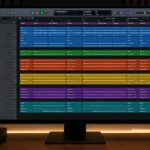
- The Target Tempo: Set your DAW project tempo between 130 and 140 BPM.
- The Groove: Instead of a standard straight trap grid, apply a subtle UK Garage style swing to your percussion. This micro-timing shift gives the track an infectious, skipping dancefloor rhythm.
2. Settle on a Bright, Nostalgic Pop-Rap Melody
Unlike dark American trap or brooding UK drill, Aitch beats are inherently celebratory, luxurious, and radio-friendly.
- The Sound Selection: Look for clean, heavily delayed electric guitar plucks, bright acoustic grand pianos, or catchy, retro synth stabs.
- The Sample Route: Aitch frequently jumps on tracks that flip nostalgic 1990s or 2000s pop and R&B vocal samples. Pitching up a soulful vocal phrase by a few semitones will instantly give you that chart-topping UK aesthetic.
3. Program a Skipping, Percussion-Heavy Drum Pattern
The drum sequence must be incredibly crisp, snappy, and light. It needs to provide a relentless backbone without overwhelming the high frequencies.
- The Kick: Pick a tight, short electronic kick drum with a lot of punch in the mid-range. Avoid muddy, long-tailed kicks.
- The Snare/Rimshot: Place a sharp rimshot or a crisp, digital snare squarely on the 3rd beat of every bar.
- The Hi-Hats & Shakers: Keep the hi-hats highly dynamic. Alternate between tight closed hits on the downbeats and open hi-hat “barks” on the off-beats. Layer a soft shaker or tambourine loop to maintain a continuous, rolling club drive.
4. Layer a Bouncy, Punchy Synth Bass or Donk Bass
The low end in a UK club-rap beat needs to step away from long, distorted American trap 808s. It should function as an active rhythmic instrument.
- The Sound: Choose a punchy, short-decay UK House/Bassline “donk” bass, a FM synthesizer pluck, or a clean sub-bass with a very sharp transient.
- The Pattern: Write a busy, syncopated bassline that bounces around the root notes of your melody. Leave massive gaps of silence between the bass hits so it locks in perfectly with the empty spaces of your kick drum.
5. Arrange for Maximum Festval Energy and Drops
The arrangement must feel like a DJ set, constantly shifting elements every 8 bars to keep the listener or live crowd engaged.
- The Radio Intro: Start with just the naked, filtered pop loop or guitar melody, allowing the artist to deliver a quick, confident spoken-word intro for 4 to 8 bars.
- The Sudden Drop: Drop the kick, bouncy bass, and skipping percussion all at once. Aitch tracks usually explode from the first second of the hook to grab the listener immediately.
- The Verse Breakdown: For the first 4 bars of the verse, drop out the heavy bassline entirely, leaving just the hi-hats, rimshots, and melody. This sudden drop in low-end energy gives the rapper a perfect, clean pocket to unleash rapid-fire, witty bars.