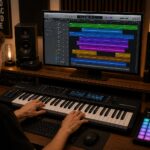
The contemporary hip-hop scene is heavily driven by distinct regional sounds. Among the most energetic and rhythmically compelling is the German rap subgenre popularized by artists like Sisko. A Sisko type beat combines aggressive basslines, bounce-heavy percussion, and dark, atmospheric melodies.
Here is how you can produce a hard-hitting Sisko type beat from scratch.
1. Set the Tempo and Vibe
- BPM Range: Set your project between 130 and 145 BPM.
- Scale Selection: Use natural minor or harmonic minor scales.
- Key Choices: D# minor, C minor, and A minor work best.
- Mood: Aim for a dark, tense, and energetic atmosphere.
2. Craft the Dark Melody
Sisko’s production relies on simple but memorable hooks that leave room for fast vocal delivery.
- Sound Selection: Choose dark grand pianos, vintage bells, or ambient synth pads.
- Chord Progression: Keep it simple using a 2-bar or 4-bar repetitive loop.
- Top Line: Add a catchy, high-pitched counter-melody using a bell or a clean flute.
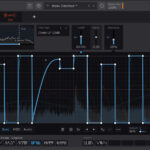
- Processing: Apply a half-time effect (like Gross Beat or Halftime) to create a modern trap vibe.
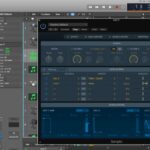
- Effects: Add heavy reverb and a low-cut EQ filter to remove muddy frequencies.
3. Build the Bounce with Percussion
The rhythmic bounce is the defining element of this style.
- The Snare/Clap: Place your main clap or crisp snare on the 3rd beat of every bar.
- Hi-Hats: Start with a standard two-step pattern, then add fast rolls using 1/32 triplets.
- Open Hats: Position open hats just before the clap to create anticipation.
- Rimshots and Percs: Scatter syncopated rimshots on the off-beats to maximize the groove.
4. Lay Down the Aggressive Low End
The low end must be loud, clean, and punchy.
- 808 Selection: Use a short, distorted, and punchy 808 sample.
- Slide Notes: Incorporate quick pitch slides at the end of every 4th or 8th bar.
- Kick Drum: Layer a hard-hitting acoustic kick directly over the 808 hits for extra chest-thumping impact.
- Sidechaining: Sidechain the 808 to the kick so they do not clash in the low frequencies.
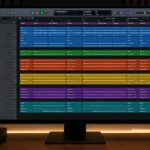
5. Structure and Arrangement
A great beat keeps the listener engaged by constantly adding and removing elements.
- Intro (8-16 Bars): Start with the main melody filtered down, slowly introducing the hi-hats.
- Hook/Chorus (16 Bars): Drop all elements at once, including the heavy 808 and the kick.
- Verse (16-24 Bars): Drop the kick and simplify the 808 pattern to give the rapper space.
- Outro (8 Bars): Fade out the melody and remove the drums completely.