For over a decade, Future has been a dominant force in hip-hop, shaping the sound of modern trap music. From the haunting atmospheres of DS2 to the high-octane energy of Metro Boomin collaborations, a Future type beat is instantly recognizable. It relies on a unique combination of dark, cinematic melodies, hypnotic sound design, and heavy, trunk-rattling low end.
Here is how to produce a dark, psychedelic Future type beat from scratch.
1. Establish the Dark Tempo and Scale
- BPM Range: Set your project between 130 and 150 BPM for a steady, hypnotic bounce.
- Scale Selection: Use the Natural Minor or Aeolian scale for a melancholic, gritty vibe.
- Key Choices: C# minor, F minor, and G# minor are industry standards for dark trap.
2. Create the Hypnotic Melody
Future’s tracks usually feature ambient, loop-ready melodies that allow his melodic, autotuned vocals to glide smoothly over the beat.
- Sound Selection: Use vintage analog synths, reversed grand pianos, ambient bells, or dark woodwinds.
- The Arpeggio: Create a repetitive, simple arpeggiated synth line that serves as the hypnotic centerpiece.
- Texture: Layer a wide, ambient pad underneath the main melody to add depth and fill out the frequency spectrum.
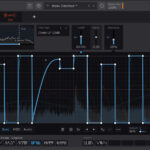
- Processing: Use effects like Gross Beat, RC-20 Retro Color, or heavy filters to make the melody sound washed out and vintage.
3. Build a Heavy, Roll-Heavy Drum Section
The drums in a Future beat need to provide energy without overcomplicating the rhythm.
- The Clap: Place a crisp, sharp trap clap on the 3rd beat of every bar.
- Complex Hi-Hats: Use a standard two-step pattern as a base, but add frequent pitch-bending 1/32 and 1/64 triplet rolls.
- Open Hats: Place open hi-hats on the off-beats to drive the momentum forward.
- Percussion: Scatter subtle rimshots or snare rolls to add variation at the end of every 4 or 8 bars.
4. Craft the Massive Low End
The low end is the most critical element. It needs to be heavy, aggressive, and perfectly mixed.
- The 808: Select a long, saturated, and distorted 808 sample (like a Spinz or Zay 808).
- The Kick: Layer a punchy, heavy transient kick drum directly on top of the 808 to make it hit hard on studio monitors and car speakers.
- Levelling: Ensure the 808 and Kick are the loudest elements in your mix, hitting around -6dB to -9dB to maximize energy.
5. Arrange for Toxic Energy
The arrangement should take the listener on a trip, building tension and dropping it unexpectedly.
- Intro (8 Bars): Start with a heavily filtered, washed-out version of the main melody, slowly introducing a subtle riser.
- The Hook (16 Bars): Drop the full arrangement immediately—full 808, punchy kick, and complex hi-hat rolls.
- The Verse (16 Bars): Remove the kick drum and lower-octave melodies for the first 8 bars to give the artist room to breathe, then bring them back for the final 8 bars.
- Outro (8 Bars): Fade out the drums and leave only the main ambient melody filtering into silence.