The underground German rap scene thrives on raw energy, experimental sounds, and dark aesthetics. Among the pioneers redefining this lane is Absent, a Berlin-based artist known for combining melancholic emo-rap elements with hyper-aggressive, distorted underground trap. An Absent type beat is defined by heavy sound design, haunting melodies, and distorted low-end frequencies that push digital clipping to its artistic limit.
Here is your comprehensive production guide to crafting a dark, gritty Absent type beat from scratch.
1. Establish the Aggressive Tempo and Scale
- BPM Range: Set your project between 140 and 160 BPM to provide a fast, high-energy foundation for rapid vocal flows.
- Scale Selection: Stick strictly to dark, tense musical frameworks like Natural Minor, Phrygian, or Harmonic Minor.
- Key Choices: D# minor, F minor, and C minor provide excellent depth for heavy bass manipulation.
2. Synthesize Haunting, Distant Melodies
The melody sections in Absent tracks sound like a digital fever dream, often blending virtual plug-in patches with heavily processed vintage instruments.
- Sound Selection: Choose detuned virtual synth plucks, ambient digital bells, reversed grand pianos, or gritty guitar loops.
- The Counter-Melody: Write a fast, repetitive 2-bar top line that triggers a sense of urgency or anxiety.
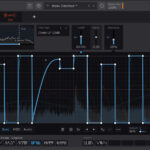
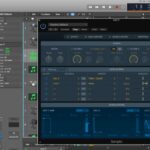
- Heavy Digital Degradation: Apply aggressive processing using effects like Gross Beat (for half-time or reverse effects), heavy bitcrushers, and tape-stop modulations.
- Space Creation: Wash the mid-frequencies in a dark, metallic plate reverb, then apply a low-cut EQ filter to remove any muddy bass frequencies.
3. Program Sharp, Rapid Drum Patterns
Underground trap drums need to cut through a dense wall of distortion with maximum transient sharpness.
- The Snare: Use a sharp, metallic underground snare or a layered, digital rimshot hitting firmly on the 3rd beat of every bar.
- Complex Hi-Hat Rolls: Start with a basic two-step hi-hat pattern, then aggressively populate it with 1/32 and 1/64 triplet rolls, utilizing pitch-bends and panning tricks.
- Off-Beat Percussion: Scatter open hats, crash cymbals, and digital sound effects on erratic off-beats to maximize the chaotic underground energy.
4. Layer the Blown-Out, Distorted Low End
The defining element of an Absent type beat is a heavily saturated, loud, and sliding bassline.
- The 808 Selection: Choose a long, hard-hitting, heavily saturated 808 sample (such as a Zaytoven, Plugg, or heavily distorted Spinz variation).
- Saturation and Clipping: Load a distortion VST or a soft-clipper plugin on the 808 channel. Crank the input volume until the waveform square-waves, creating a raw, blown-out speaker effect.
- Aggressive Glides: Program fast, high-octave pitch slides at the end of every 4 or 8 bars to give the low end a dynamic, sliding movement.
- The Kick: Layer a punchy, high-transient kick directly over the 808 hits to ensure the track retains a physical, thumping impact despite the heavy distortion.
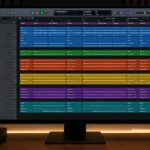
5. Arrange for Chaotic Dynamic Impact
The arrangement should alternate between empty, eerie moments and explosive walls of sound.
- Intro (8 Bars): Start with the main melody completely filtered down, introducing subtle vinyl hiss or a dark ambient pad loop to set the mood.
- The Drop / Chorus (16 Bars): Drop all elements simultaneously—the blown-out 808, the hard-hitting kick, rapid hi-hat rolls, and the main aggressive counter-melody.
- The Verse (16 Bars): Remove the kick drum and simplify the 808 pattern to give the artist space to deliver verses, then slowly reintroduce elements every 4 bars to rebuild the tension.
- Outro (8 Bars): Remove the drums entirely, allowing the distorted 808 tails and the ambient melody to fade out into silence.