The European hip-hop landscape has been heavily influenced by the distinct, high-stakes sound of German street rap. Among the most iconic figures defining this subgenre is 18 Karat, the gold-mask-wearing artist from Dortmund known for his aggressive lyrical delivery and heavy street narratives. An 18 Karat type beat captures a very specific aesthetic: it is dark, intimidating, deeply cinematic, and driven by hard-hitting, modern trap elements.
Here is your comprehensive step-by-step production guide to crafting a menacing, cinematic gangsta rap instrumental from scratch.
1. Dial in the Aggressive Tempo and Minor Keys
An 18 Karat track requires a driving tempo that sounds like the soundtrack to a high-speed chase. It needs to provide a relentless forward momentum.
- BPM Range: Set your project tempo between 138 and 148 BPM to give the beat a steady, threatening march.
- Scale Selection: Stick strictly to dark, dramatic musical frameworks like the Harmonic Minor or the Phrygian scale to establish an immediate sense of danger.
- Key Choices: C# minor, F minor, and G# minor are industry favorites that yield incredibly deep, chest-thumping frequencies for the bassline.
2. Compose a Dramatic, Orchestral Melody
The signature sonic identity of 18 Karat’s music lies in its cinematic grandeur. His producers heavily favor classical, live-sounding instrumentation processed with a modern digital edge.
- Staccato Strings: Begin with violins or cellos playing a fast, repetitive staccato pattern to instantly build high-stakes tension.
- Heavy Grand Piano: Layer deep, low-octave piano chords on the downbeats to establish a heavy, dark emotional foundation.
- Ominous Choirs & Brass: Add a Gothic church choir pad in the background and accent transitions with powerful orchestral brass stabs.
- Processing: Use dark, metallic plate reverbs and a subtle low-cut EQ filter on the melody bus to clear out everything below 150Hz, saving room for your low end.
3. Program a Sharp, Fast-Paced Drum Section
The drums in this style need to cut through a dense wall of orchestral instruments with maximum transient sharpness and a modern European trap bounce.
- The Sharp Clap: Place a crisp, mid-range trap clap or a layered heavy rim-snare firmly on the 3rd beat of every bar.
- Skipping Hi-Hats: Lay down a rolling hi-hat pattern. Populate it with rapid 1/16 and 1/32 triplet rolls, varying the velocities to keep the rhythm bouncy and humanized.
- Off-Beat Percussion: Position sharp open hats right before the clap to create anticipation. Scatter modern trap rimshots on erratic off-beats to drive the groove forward.
4. Layer a Substantial, Ground-Shaking Low End
The low end in German gangsta rap must be overwhelming but perfectly controlled so it doesn’t destroy your overall headroom.
- The 808 Selection: Choose a mid-length, saturated, and highly punchy 808 bass sample (like a classic Spinz or a heavy Sarmad variant).
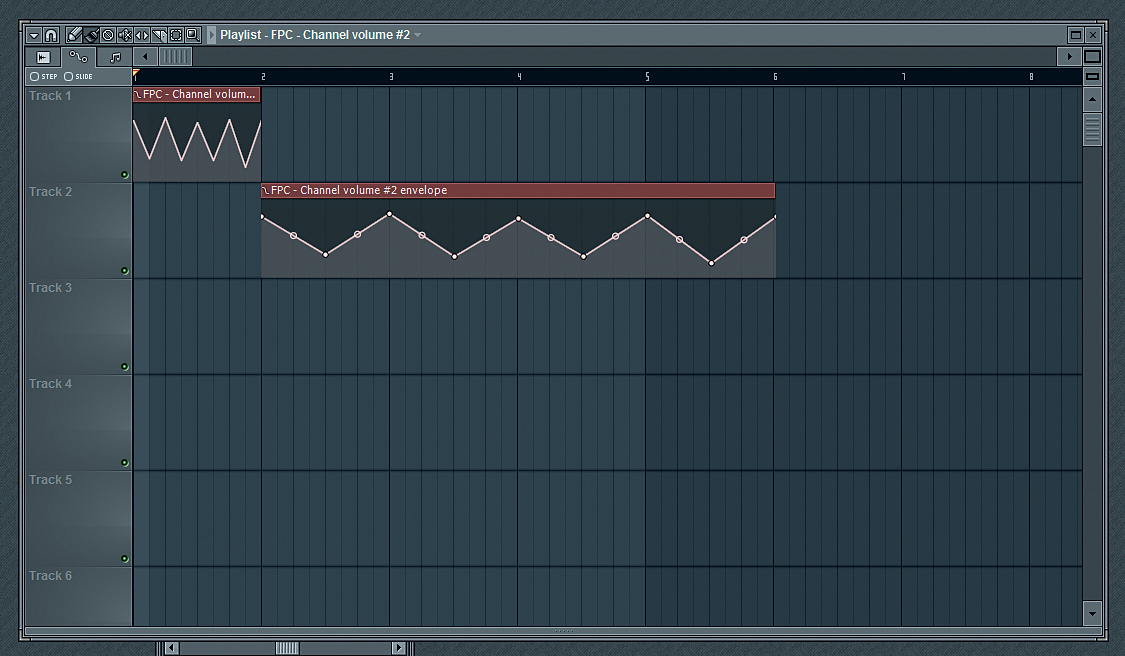
- Occasional Glides: Incorporate quick pitch slides climbing 1 or 2 octaves at the turnaround of every 8th bar to mimic modern trap and drill nuances.
- The Hard-Hitting Kick: Layer a punchy, clicky acoustic kick drum directly on top of the root 808 hits to ensure the low end smashes through smartphone and car speakers alike.
- Sidechaining: Apply fast sidechain compression to pull down the 808 slightly whenever the kick hits, keeping your low frequencies perfectly clean and mud-free.
5. Arrange for Maximum Dynamic Tension
The beat’s structure should constantly build tension and release it unexpectedly, mirroring the high-stakes narrative of the lyrics.
- Intro (8 Bars): Strip the track down to just the staccato strings or the grand piano melody filtered through a low-pass EQ loop, introducing the listener to the dark mood.
- The Build-Up (4 Bars): Introduce a rising sound effect, a subtle snare roll build-up, and slowly open up the low-pass filter on your melody.
- The Drop / Chorus (16 Bars): Release the full energy of the track by letting the heavy 808 bass, punchy kick, orchestral brass, and choir pads drop simultaneously.
- The Verse (16-24 Bars): Remove the heavy staccato strings and lower-octave melodies. Keep the drum groove running but simplified, clearing out space for the rapper to deliver fast, uninterrupted bars before rebuilding the tension for the next hook.