Atlanta-based rapper and producer Che (also known as Cheromani) has emerged as one of the ultimate innovators of the underground. Drawing inspiration from diverse forces like Chief Keef, Playboi Carti, and the glitchy electronic sounds of Crystal Castles, his music pushed the boundaries of trap. A “Che type beat” is characterized by hyper-maximalist production, dopamine-spiking textures, aggressive distortion, and a complete lack of empty space. It perfectly toes the line between high-octane rage rap and punk-infused digital chaos.
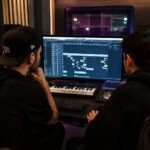
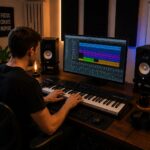
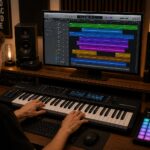
Here is how you can produce a glitchy, hard-hitting Che type beat from scratch in your DAW.
1. Set the High-Octane Tempo and Key
To match Che’s rapid, digitally enhanced flows, your project needs a relentless forward drive.
- BPM Range: Set your project tempo high—between 142 and 160 BPM.
- Scale Selection: Use the Natural Minor scale for a tense, digital mood, or the Phrygian scale for a darker, video-game-boss energy.
- Key Choices: D minor, F# minor, or C# minor are excellent options that give your 808s maximum rumble.
2. Compose Glitchy, Hyper-Maximalist Melodies
Che’s music thrives on a constant barrage of sound with very little room to breathe. The melodies should sound bright, synthetic, and slightly unstable.
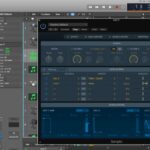
- Synth Selection: Load up futuristic virtual synths. Look for harsh digital leads, chip-tune synth plucks, and heavily modulated arcade or video game sound effects.
- The Layered Wall of Sound: Write a fast-paced, repetitive 4-bar progression. Layer a wide, pulsing sawtooth synth pad underneath a soaring, distorted lead melody to fill the entire frequency spectrum.
- Electronic Textures: Take inspiration from electronic indie music. Use heavy bitcrushers, square-wave filters, and glitch effects to make your melodies sound like a corrupted computer file.
3. Program Aggressive, Erratic Trap Drums
The drum section needs to match the frantic speed of the melodic layers, emphasizing rapid switches and unpredictable bounce.
- The Sharp Snare: Skip the traditional generic trap clap. Use a piercing, high-frequency digital snare or a metallic rimshot hitting strictly on the 3rd beat.
- Dopamine-Spiking Hi-Hats: Start with a rolling hi-hat rhythm, but populate it with rapid 1/32 and 1/64 triplet rolls. Manipulate the velocities and add quick pitch-bends to give the rolls a glitchy, mechanical swing.
- Unpredictable Open Hats & Percs: Throw in sharp open-hats on off-beats and add unexpected electronic sound effects to disrupt the standard trap groove and maximize energy.
4. Layer a Blown-Out, Distorted Low End
The low end in a Che beat is not just a backing track—it is an aggressive lead instrument.
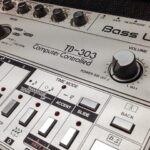
- The 808 Choice: Choose a long, heavily saturated 808 sample that naturally carries a lot of mid-range grit.
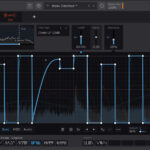
- Max Out the Saturation: Put a distortion or soft-clipper plugin directly onto your 808 track. Push the input level until the bass aggressively clips. The goal is a blown-out, speaker-tearing aesthetic that still retains its pitch.
- Kamikaze Glides: Program dramatic pitch slides that leap 1 or 2 octaves up at the end of every 4th or 8th bar to mimic underground rage and pluggnb structures.
- The Transient Kick: Layer a punchy, heavy-hitting kick directly over the 808 to guarantee the track punches through the dense wall of synth distortion.
5. Arrange for Continuous Digital Chaos
Because Che’s style relies on a hyper-online, fast-paced aesthetic, keep your arrangement moving quickly with sudden element changes to keep the listener engaged.
- Intro (8 Bars): Start with the main digital lead or synth pluck playing by itself. Introduce glitch sound effects or a sudden tape-stop slowdown right before the beat drops.
- The Drop / Hook (16 Bars): Drop the entire wall of sound all at once—the blown-out 808, the hard-hitting kick, rapid hi-hat rolls, and maxed-out synth leads.
- The Verse (16 Bars): To give the vocals room, pull out the highest-pitched synth lead but keep the distorted 808 and aggressive drums running. Use sudden 1-bar cutouts (muting all drums) to create a striking “stop-and-go” effect before slamming back into the rhythm.
- Outro (8 Bars): Let the drum section completely drop out, allowing the glitchy synths and distorted 808 tails to fade into digital static.