Drake is one of the most influential artists in music history, and his sonic identity has completely reshaped the landscape of modern hip-hop and R&B. Alongside his longtime producer and OVO co-founder, Noah “40” Shehib, Drake popularized a distinct aesthetic: emotional, atmospheric, and deeply introspective. Making a Drake type beat means mastering the balance between clean, knocking drums and lush, underwater melodies.
Here is your comprehensive guide to capturing that signature OVO sound in five steps.
1. Find the Melancholic Tempo
Drake seamlessly floats between late-night R&B, slow-burning hip-hop, and fast-paced trap. For his most iconic, introspective tracks, you want a mid-tempo groove.
- The Sweet Spot: Set your project tempo between 80 and 95 BPM (or 120 to 140 BPM for his more energetic trap bangers).
- The Feel: Keep the timing tight and straight on the digital grid to maintain a polished, modern studio aesthetic.
2. Achieve the Iconic “Underwater” OVO Melody
The absolute defining characteristic of a Drake beat is the filtered, ambient melody that sounds like it is playing from another room.
- Sound Selection: Use warm R&B chord progressions played on vintage electric pianos (like a Rhodes), dark ambient pads, or pitched-down vocal phrases.
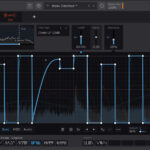
- The 40 Sample Trick: Take your main melody loop and apply a steep low-pass filter (or a tool like Lo-Fi). Cut out all the high frequencies above 1kHz to 1.5kHz. This removes the digital brightness, leaving a muddy, emotional, and spacious pad.
3. Program Crisp, Minimalistic Drums
While the melody is soft and atmospheric, the drums must be incredibly sharp, dry, and prominent in the mix. They provide the rhythmic spine for Drake’s conversational flow.
- The Kick: Choose a short, punchy electronic kick drum with very little tail. It needs to hit hard without bleeding into the low-end of the melody.
- The Snare: Use a crisp, acoustic-leaning snare or a tight electronic clap on the 2 and 4 beats.
- The Hi-Hats: Keep the hi-hat pattern simple with a standard eighth-note rhythm. Add very subtle, occasional triplet rolls to keep the track modern without overcluttering the space.
4. Layer a Deep, Sub-Heavy Bassline
Instead of aggressive, distorted trap 808s, Drake’s introspective tracks usually feature incredibly clean, deep sub-bass tones.
- The Choice: Use a smooth, continuous sine-wave sub-bass or an analog synthesizer patch (like a classic Moog bass).
- The Layout: Let the bass hold long, sustained notes that anchor the chord progression. Avoid frantic rhythm patterns; the bass should glide effortlessly underneath the track.
5. Arrange for Late-Night Introspection
The arrangement must feel cinematic, spacious, and evolving, mirroring the narrative arc of Drake’s storytelling.
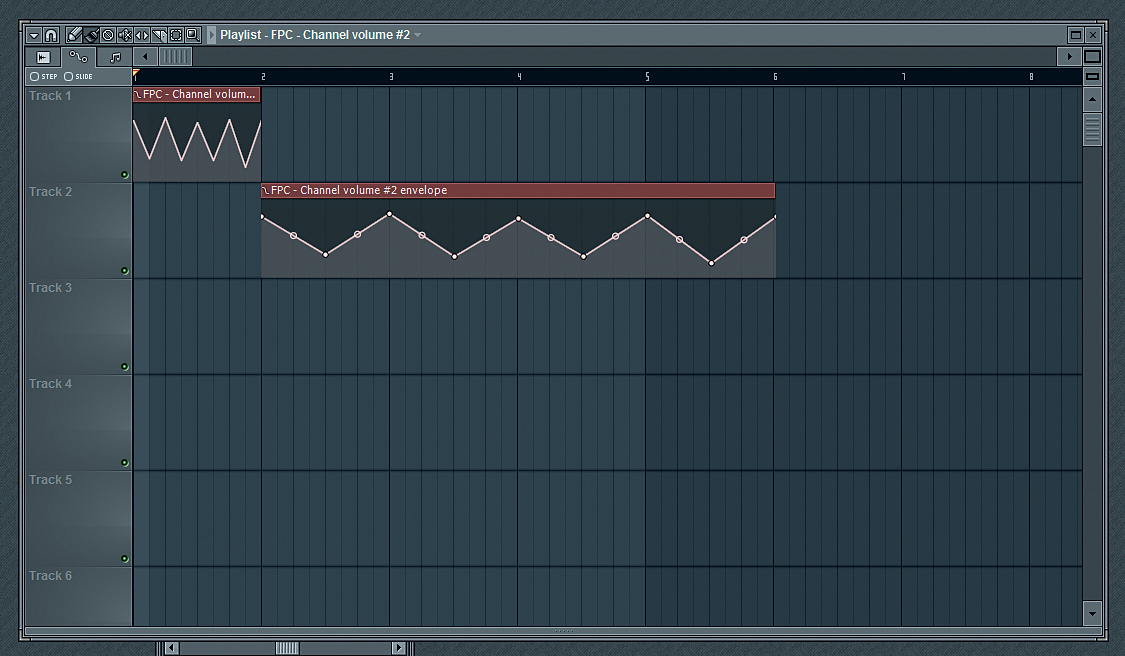
- The Intro: Start with the fully unfiltered melody to let the listener hear the musicality, then apply the low-pass filter right as the section ends.
- The Drop: Drop the kick, snare, and sub-bass simultaneously. Drake tracks rely heavily on a sudden shift into an intimate groove.
- The Ambient Switch-Up: Drop the drums out entirely for a 4-bar section in the middle of the verse. Let just the filtered pad and a distant vocal sample play, creating a perfect pocket for emotional, spoken-word style bars.