Mobb Deep—the legendary Queensbridge duo of Prodigy and Havoc—defined the bleak, cinematic soundscape of mid-1990s hardcore East Coast hip-hop. Albums like The Infamous and Hell on Earth are sonic masterpieces of underground rap. Spearheaded by Havoc’s genius production, a Mobb Deep type beat combines haunting, pitched-down melodies with neck-snapping drum breaks. It sounds like a cold, foggy winter night on the streets of New York.
Here is your step-by-step production blueprint to crafting a classic, gritty Queensbridge boom-bap instrumental.
1. Lock In the Cold, Sluggish Tempo
Mobb Deep tracks are not rushed. They rely on a heavy, menacing, and steady stride that forces a slow, deliberate head-nod.
- The Target Tempo: Set your project tempo strictly between 84 and 92 BPM.
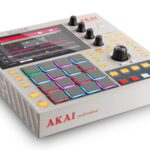
- The MPC Swing: Turn on a strong 16th-note swing quantization (around 54% to 58%) on your sequencer. This pulls your sounds slightly off the rigid digital grid, replicating the human groove of vintage hardware samplers like the Akai MPC60.
2. Sample Eerie, Melancholic, and Minor-Key Melodies
The mood must be claustrophobic, tense, and deeply cinematic. Look for musical fragments that evoke immediate paranoia and survival instincts.
- Sound Selection: Search for minor-key classical piano chords, haunting string staccatos (violins and cellos), or a repetitive, melancholic trumpet hit from 1970s jazz and soul records.
- The Pitch-Down Trick: Havoc was famous for taking simple samples, slowing them down, and pitching them down by several semitones. This strips away the brightness of the instrument, turning a normal piano into a dark, muddy, and menacing loop.
3. Program Raw, Loud, and Punchy Drum Breaks
Your drum sounds must feel unpolished, dusty, and incredibly upfront in the mix. They should sound like they were sampled directly from vintage funk vinyl records.
- The Kick: Pick a warm acoustic kick drum sample with a massive mid-range “thud” rather than deep electronic sub-bass. Keep the pattern simple but driving.
- The Snare: Use a loud, dry, and cracking acoustic snare that snaps perfectly on the 2 and 4 beats. Add a subtle layer of vinyl hiss or room noise to the snare tail to give it an authentic analog texture.
- The Hi-Hats: Use live, loose acoustic hi-hats. Keep the pattern straightforward with standard eighth notes, but vary the velocities of every hit to create a natural, drummer-like performance.
4. Layer a Muddy, Rolling Bassline
Instead of modern sliding trap 808s, a Mobb Deep beat relies on a low-passed, heavy, and rolling bassline that acts as a physical anchor for the chaotic drums.
- The Tone: Use a filtered, warm upright bass patch or a deep, muddy analog synthesizer sub-bass.
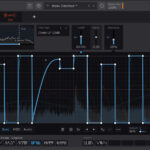
- The EQ Method: If you are sampling, copy your main melody loop to a separate track. Apply a steep low-pass filter to cut out everything above 80Hz to 100Hz, and turn up the volume to create a heavy, dark bassline out of the original sample.
5. Arrange for Street Drama and Introspective Spaces
The arrangement should keep the listener engaged through raw minimalism, leaving maximum room for cold street poetry.
- The Threatening Intro: Start with just a heavy vinyl crackle, a lone piano riff, or an eerie movie dialogue snippet to set an apocalyptic street mood for 4 to 8 bars.
- The Drop: Suddenness is key. Let the drums and heavy bass slam in all at once without a dramatic riser or crash effect to catch the listener off guard.
- The Energy Mutes: Periodically drop out the main melody for 2 or 4 bars in the middle of a verse, leaving only the raw, knocking drums and the bassline. This creates the ultimate, intimate pocket for a rapper to deliver icy, low-volume punchlines.