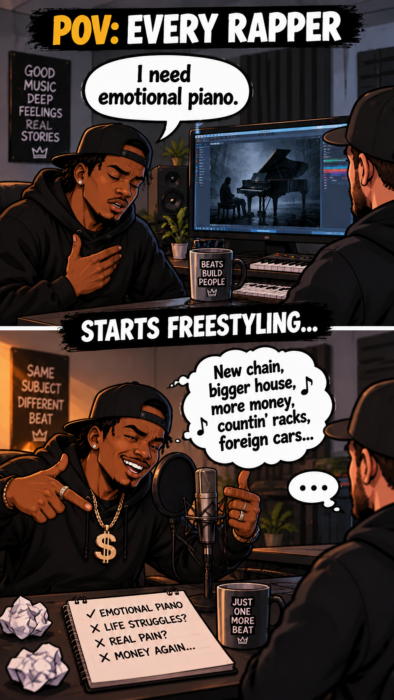
Every producer has experienced that moment when an artist comes into the studio with a very specific vision. The rapper wants something emotional, deep and personal. Maybe they want a piano that sounds nostalgic, a melody that feels like a late-night memory and an atmosphere that gives them space to talk about real life.
So the producer builds exactly that.
The piano is emotional. The chords have feeling. The whole beat sounds like it belongs in the final scene of a dramatic movie. Everything is ready for a vulnerable verse about life, relationships, struggles and personal experiences.
Then the rapper steps up to the microphone and starts freestyling about money.
Suddenly there are chains, expensive cars, designer clothes and imaginary millions everywhere.
The piano is having an emotional breakdown in the background.
The emotional beat that nobody asked the lyrics about
There is something especially funny about the contrast between production and lyrics. The instrumental can be deeply emotional, while the rapper completely ignores the mood and goes straight into the usual flexing.
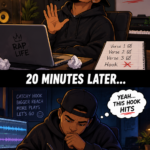
The producer might spend an hour searching for the perfect piano sound and carefully choosing chords that create a specific feeling. The rapper hears it and says, “Yeah, this is exactly what I wanted.”
Then the beat starts playing.
The rapper grabs the microphone, takes a deep breath and suddenly he’s talking about buying a mansion, driving a supercar and counting money until sunrise.
At this point, the producer is probably wondering whether they accidentally sent the wrong beat.
Maybe the rapper just hears something different
To be fair, music is subjective. What sounds emotional to one person can inspire something completely different in someone else. A melancholic piano doesn’t automatically mean the lyrics have to be sad.
In fact, contrast can make a song more interesting. A beautiful, emotional instrumental underneath confident or aggressive lyrics can create a unique atmosphere. Some of the best songs work precisely because the production and vocals aren’t doing exactly the same thing.
The problem is when the artist specifically asks for an emotional beat because they want to tell a deep story and then spends the entire recording session talking about money.
That’s when the joke writes itself.
The producer’s perspective
Producers often have to translate vague emotional descriptions into actual music. An artist might say they want something “sad but powerful,” “dark but uplifting,” or “emotional but still hard.” These descriptions don’t always have an obvious musical solution.
The producer experiments with chords, melodies, drums, tempo and sound selection until the instrumental creates the right atmosphere.
Then the artist hears it and says, “Perfect.”
Great.
The producer expects a heartfelt performance.
Instead, the first line is about a new chain.
The second is about a foreign car.
By the third line, the emotional piano has officially become background music for a financial success story.
Why rappers keep doing this
The answer might simply be that flexing is easy to freestyle about. Money, cars, clothes and success are familiar topics. When you’re standing in front of a microphone and need to improvise something quickly, it’s much easier to reach for subjects you’ve already written about dozens of times.
Talking about your deepest emotions requires a different kind of preparation. Personal stories are harder to improvise because they require vulnerability, specific memories and a willingness to say something that actually means something.
It’s much easier to rhyme “money” with “honey” and keep moving.
Emotional production doesn’t guarantee emotional writing
This is an important distinction for artists and producers. A powerful beat can create an atmosphere, but the artist still has to decide what to do with it.
If the goal is a genuinely emotional song, the lyrics, delivery and performance need to contribute to that feeling. The production can create the perfect environment, but it can’t force an artist to become vulnerable.
A sad piano doesn’t automatically make a verse deep.
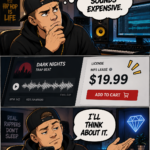
Sometimes it just makes the flexing sound more expensive.
The unexpected combination can actually work
There is another side to this, though. Sometimes an artist going in a completely different direction from the original idea can produce something better than the planned concept.
Maybe the emotional piano underneath confident lyrics creates an unusual contrast. Maybe the rapper’s delivery makes the track feel reflective despite the lyrics. Maybe the song becomes more interesting because the listener expects one thing from the production and gets something completely different from the vocals.
That’s why producers shouldn’t always reject unexpected ideas immediately.
Creative work doesn’t always follow the original plan.
Communication still matters
If an artist really wants a particular type of beat, it’s helpful to explain what they mean. Saying “I want emotional piano” gives the producer a starting point, but explaining the story behind the song can make the result much more accurate.
Is the song about losing someone? Starting over? Success after difficult times? A relationship? Childhood? Failure? Ambition?
The more context the producer has, the easier it becomes to create music that supports the message.
Otherwise, the producer might create a heartbreaking piano ballad while the rapper arrives with seventeen new ways to say “I got money.”
Producers have to be ready for anything
That’s part of what makes producing music so unpredictable. You can spend hours creating a very specific mood and still have the artist take the song somewhere completely unexpected.
Sometimes that’s frustrating.
Sometimes it’s hilarious.
And sometimes it’s exactly what the track needed.
The important thing is to stay open to the creative process while still understanding the original goal. If the artist asked for an emotional piano and then discovers that the beat inspires a completely different idea, that’s fine. The song can evolve.
Just don’t be surprised when the producer looks at you after the fifth line about designer clothes and quietly asks:
“Didn’t you say you wanted something emotional?”
The emotional piano survives
At the end of the session, the piano is still doing its job. It’s carrying the melody, creating atmosphere and making the beat feel more dramatic.
The rapper, meanwhile, has completely different priorities.
Maybe that’s the real beauty of music production. You can give an artist the most emotional instrumental imaginable, but once the microphone is on, you never really know what is going to come out.
Sometimes it’s a heartbreaking story.
Sometimes it’s a powerful reflection on life.
And sometimes it’s another freestyle about money, cars and chains.
At least the piano sounds beautiful while it happens. 🎹😂